Eratoi Honey
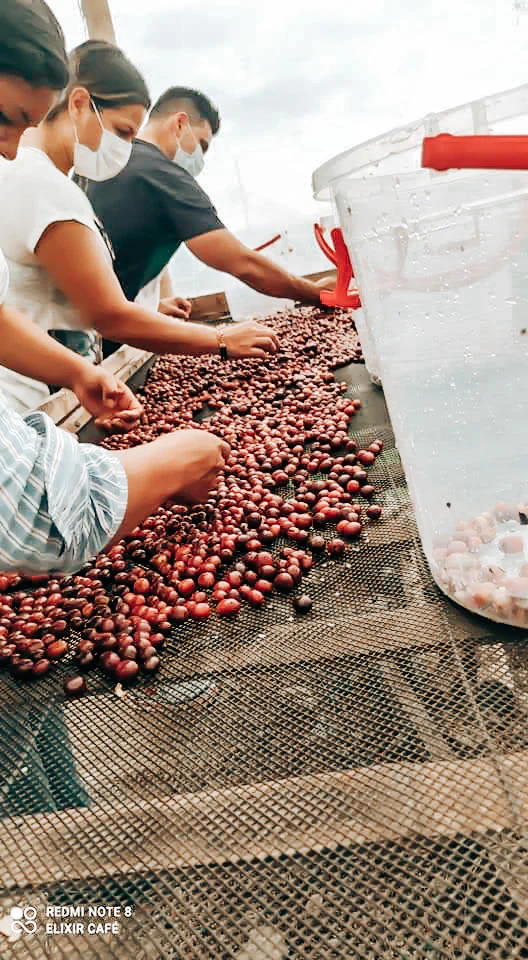
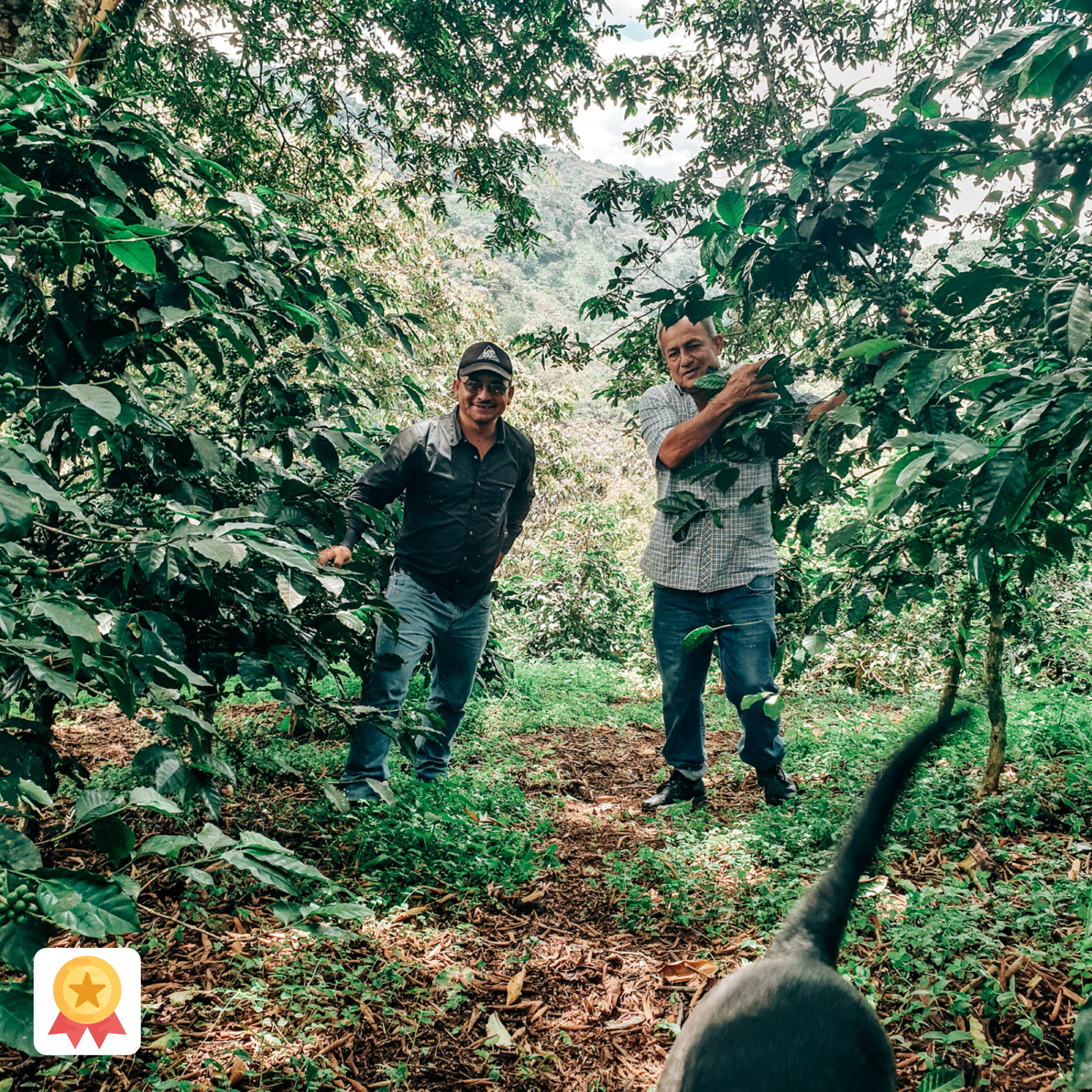
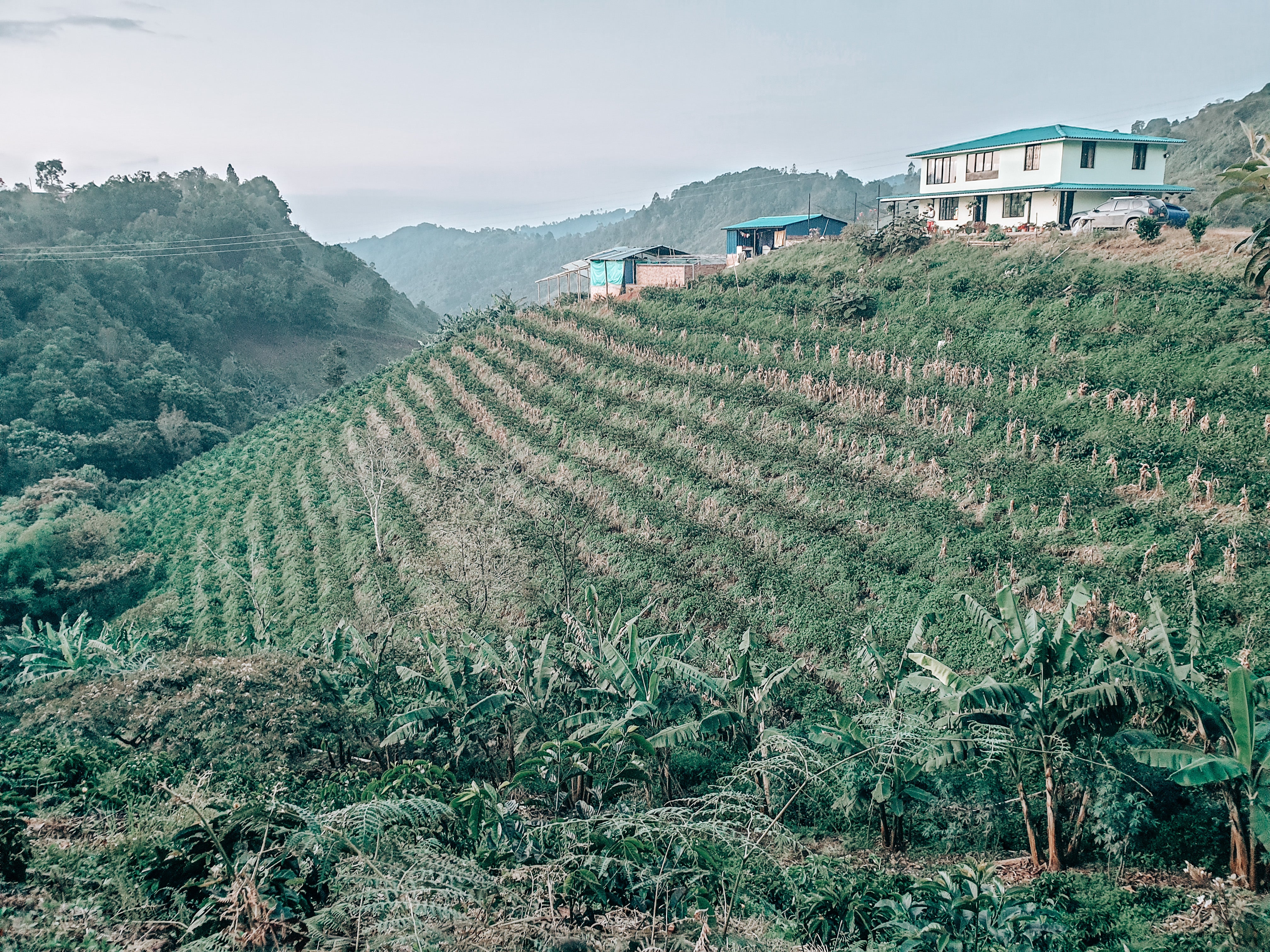
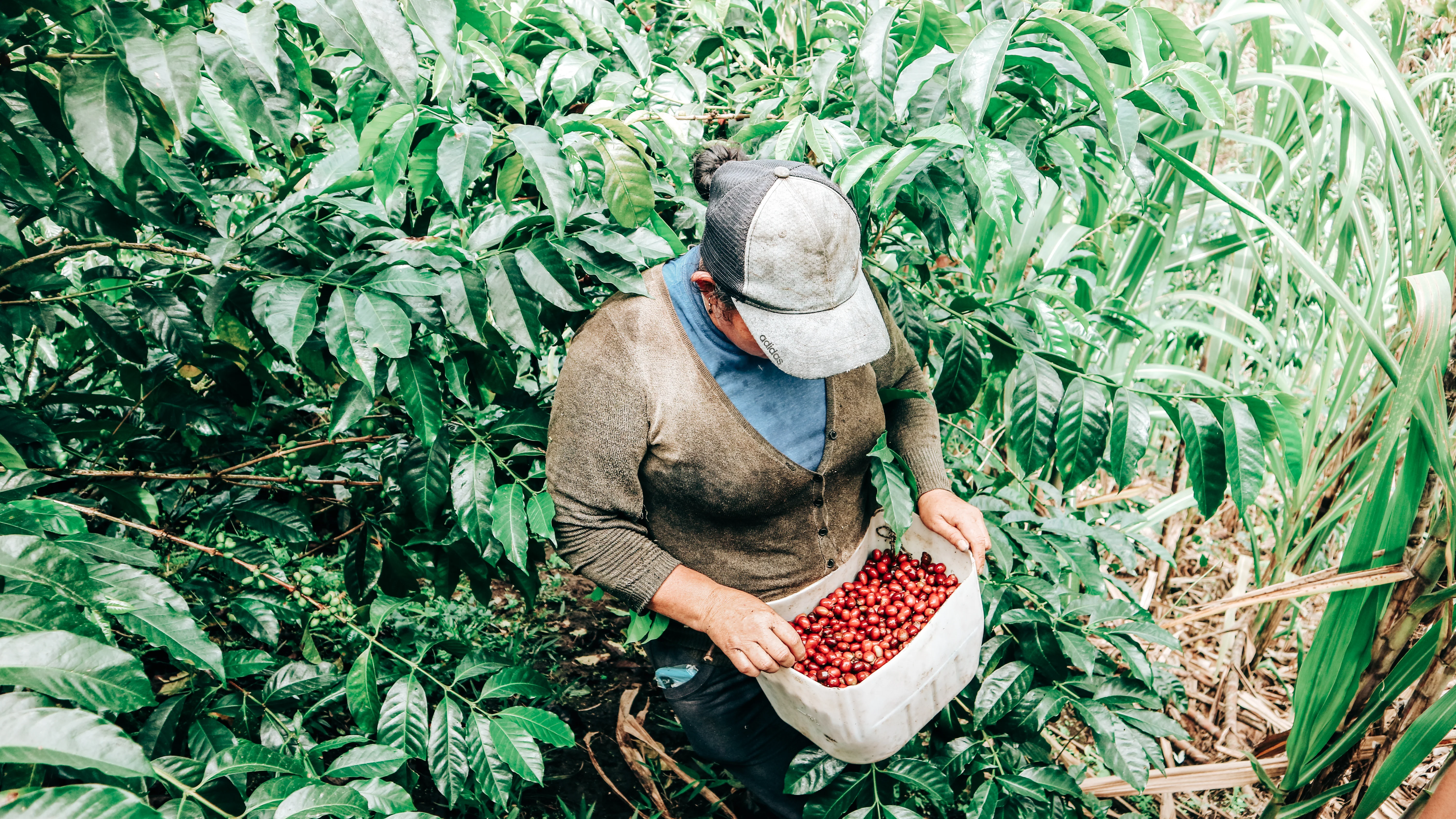
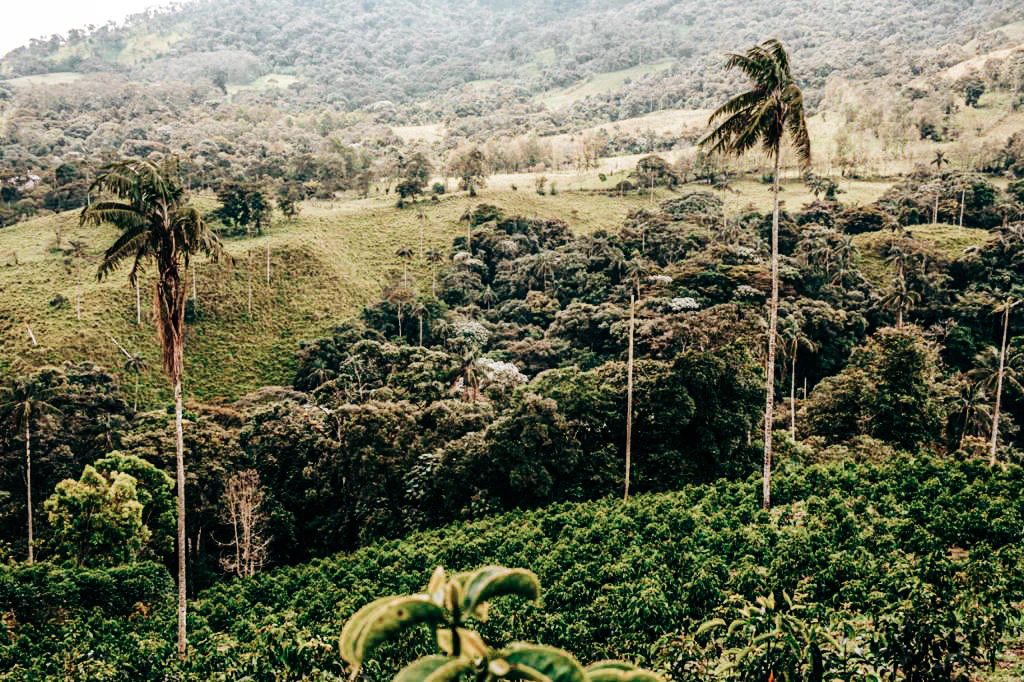
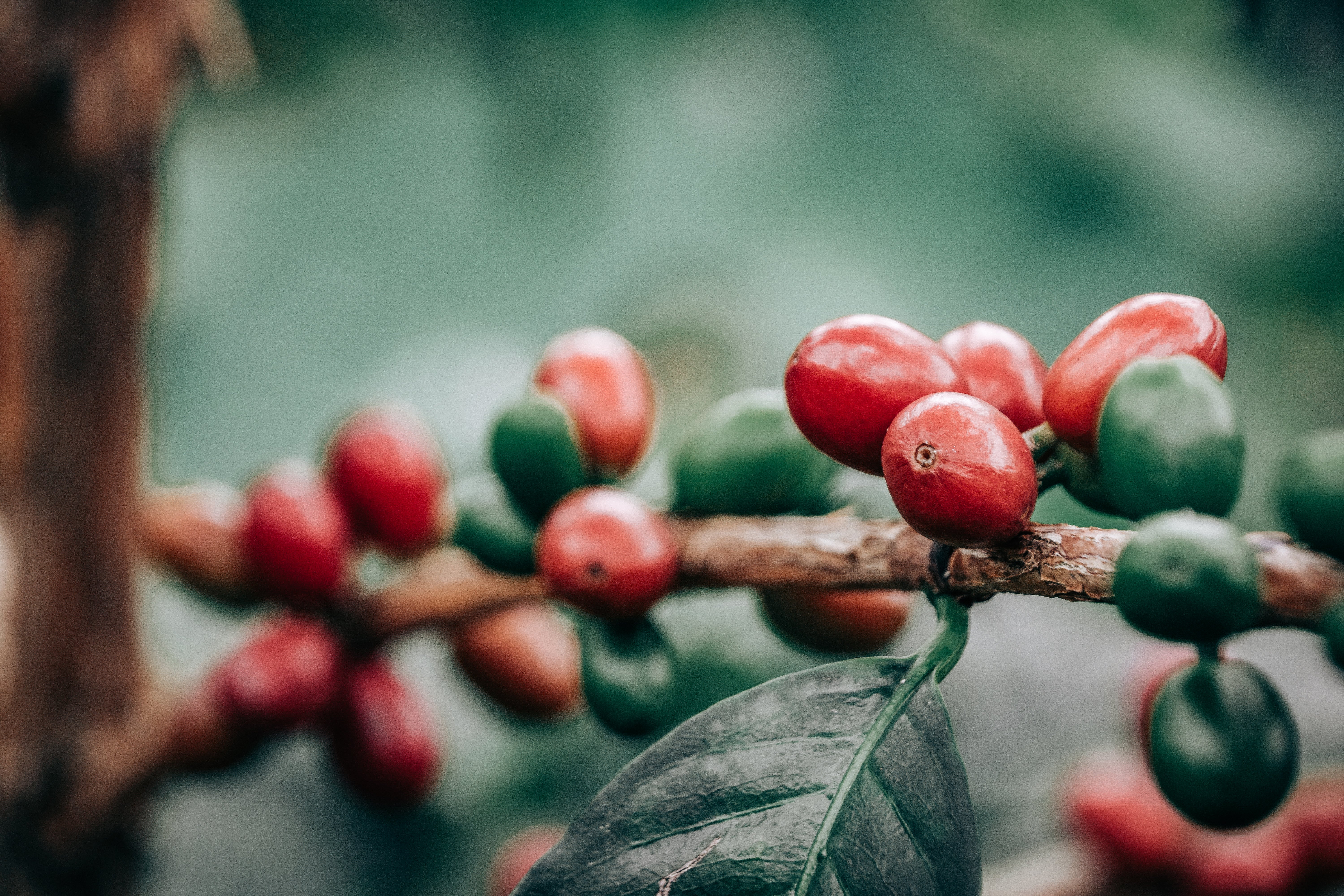
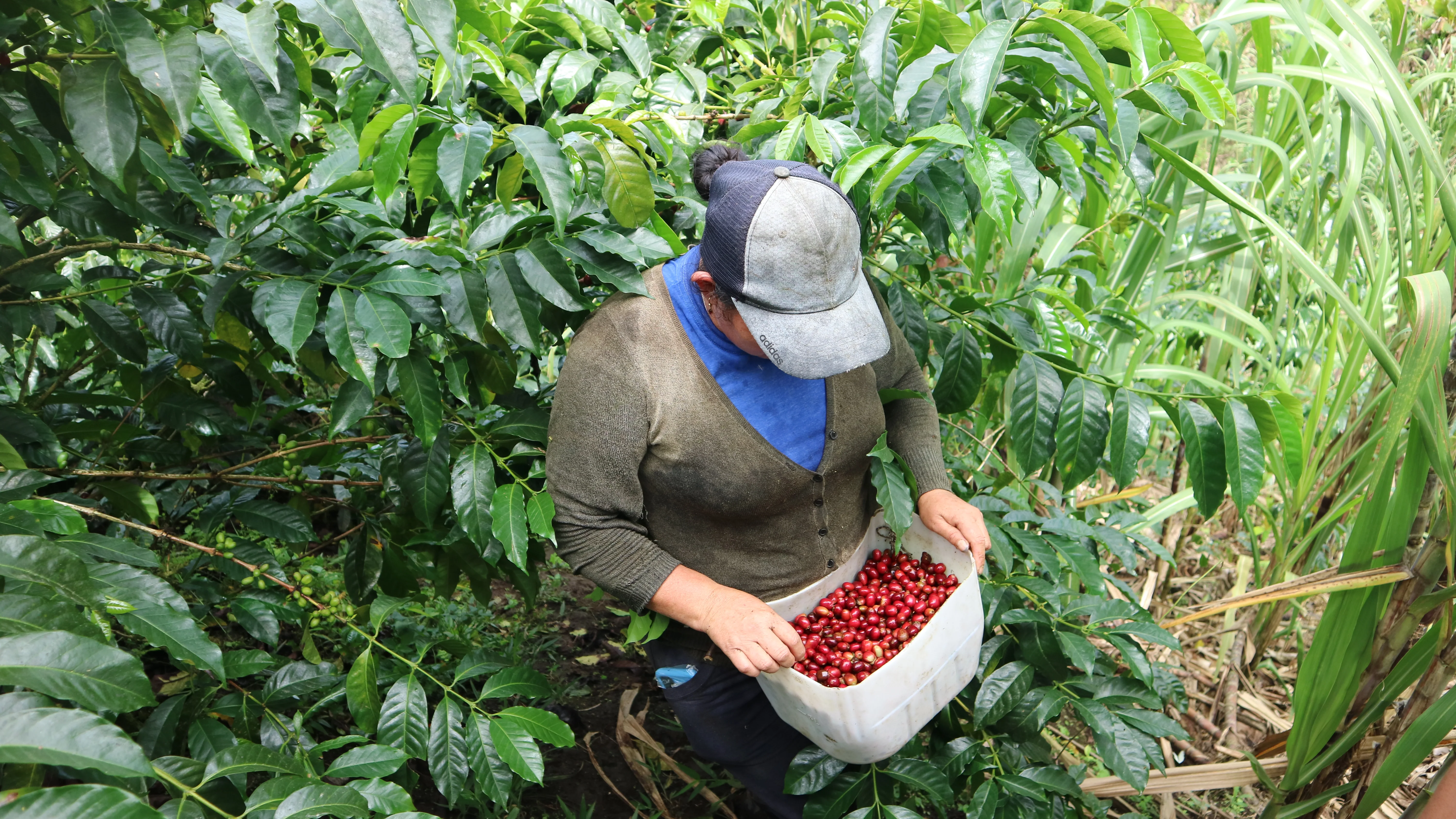
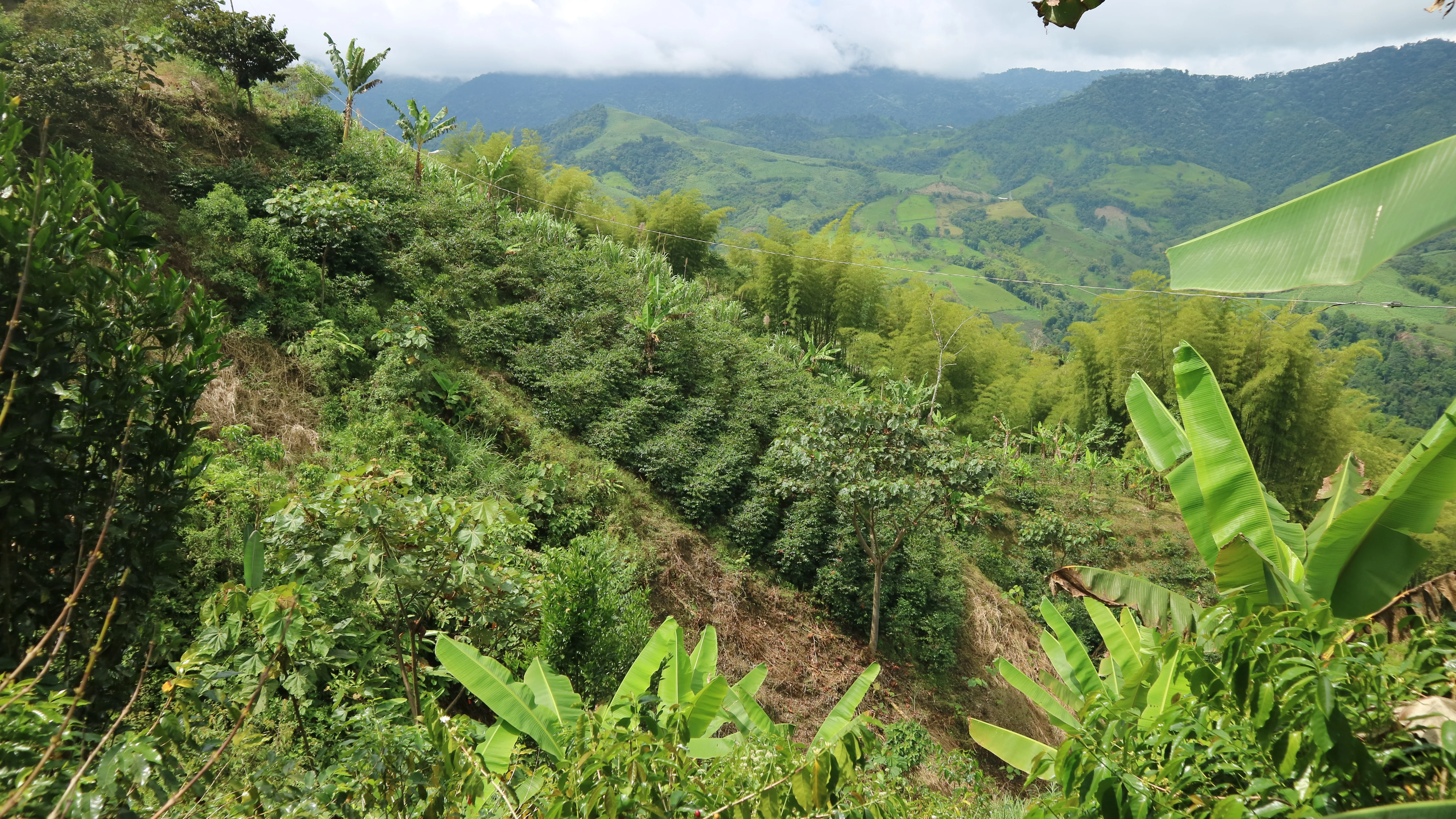
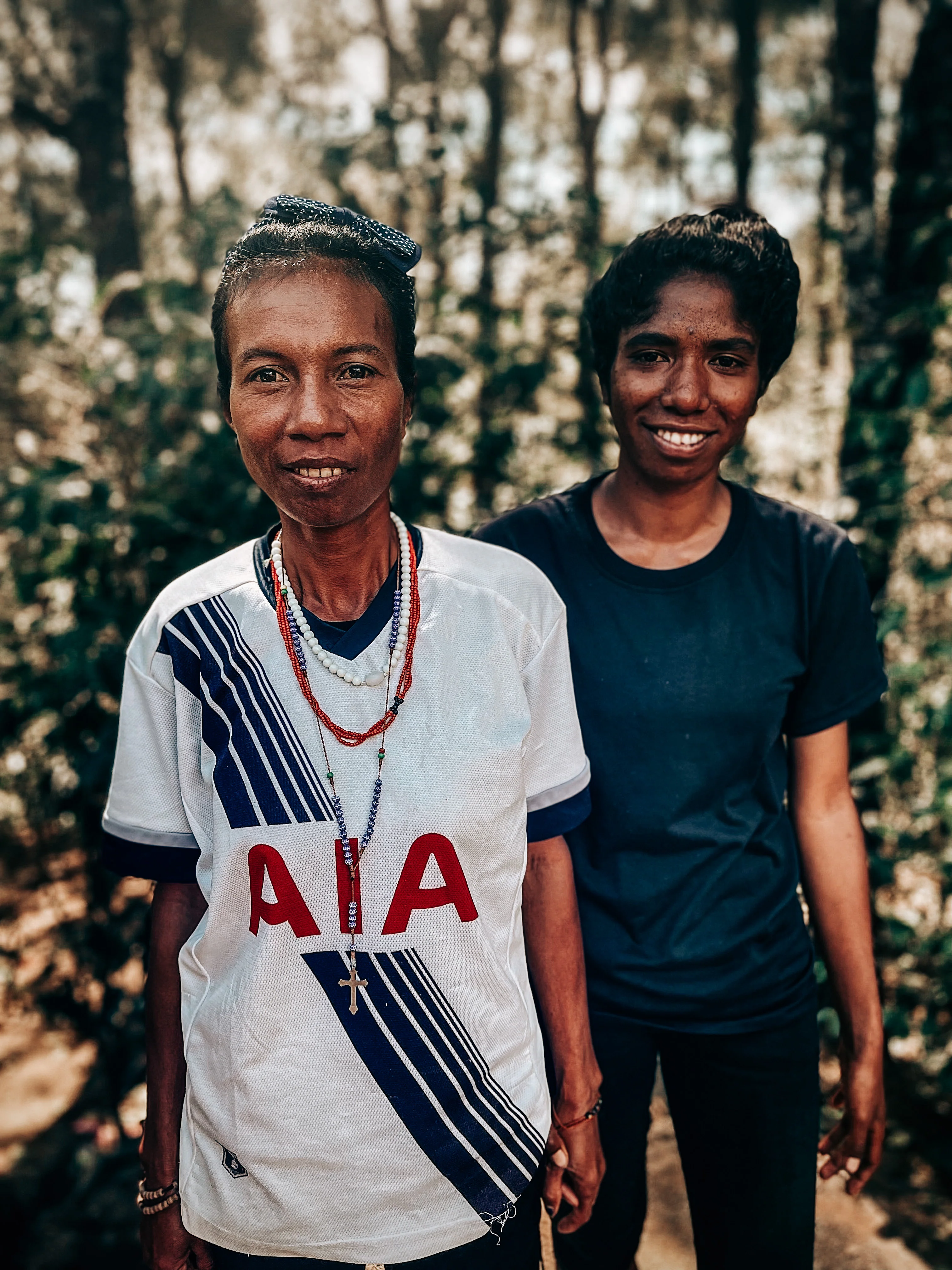
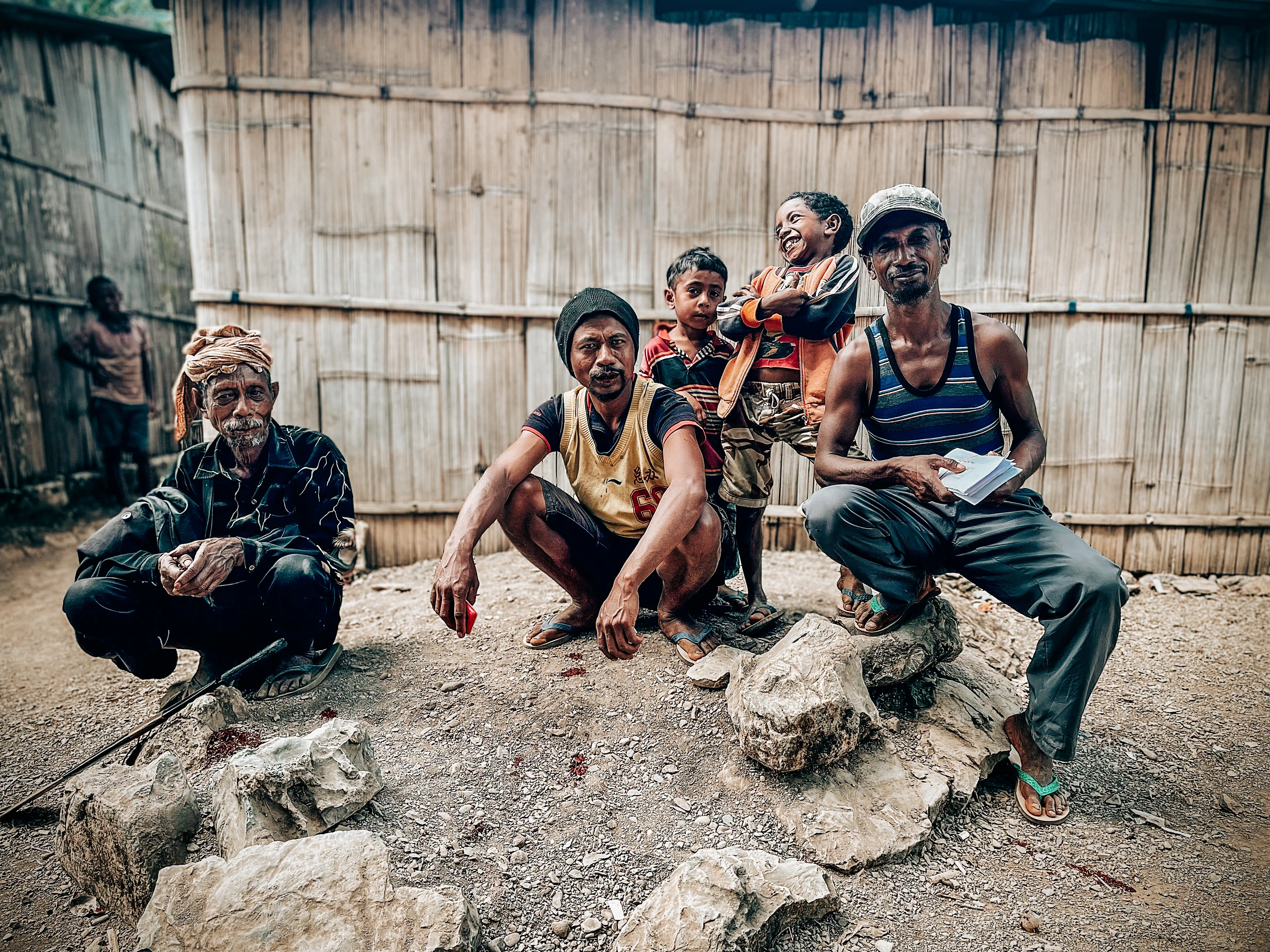
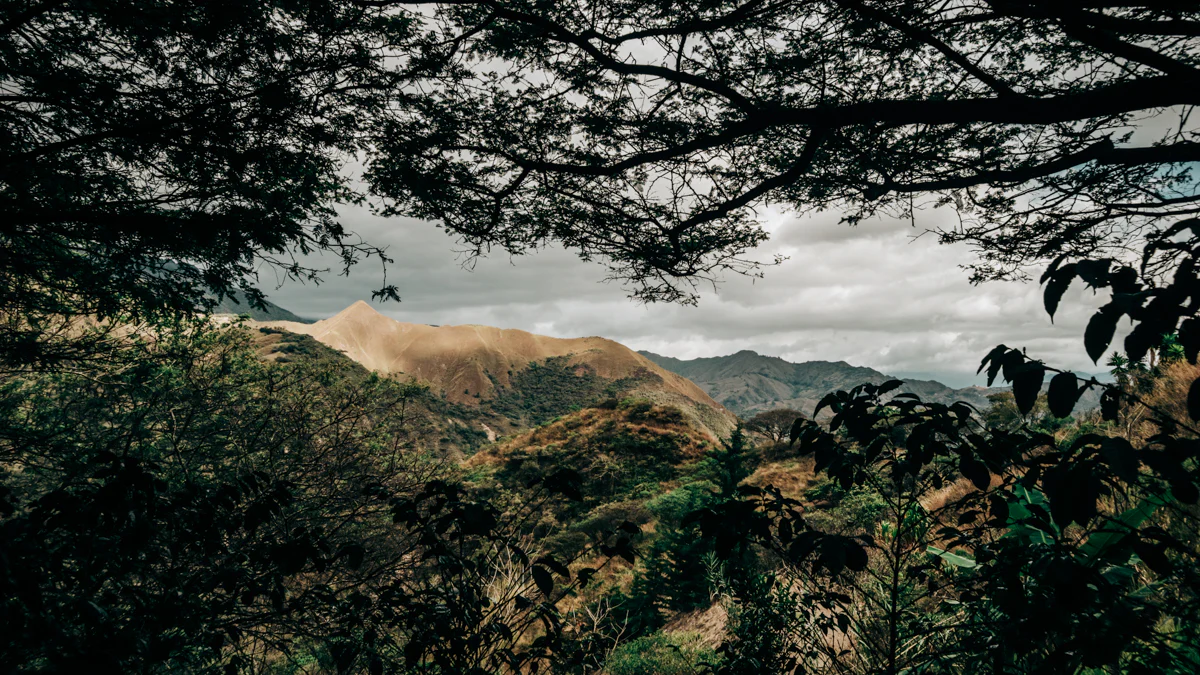
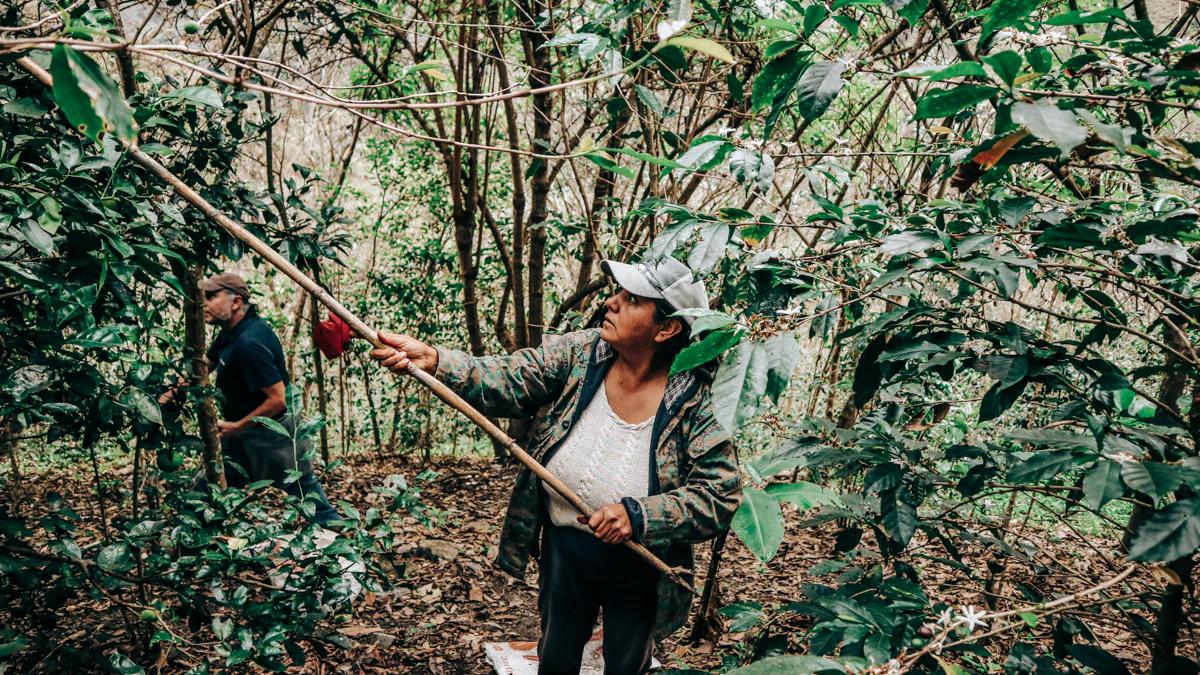
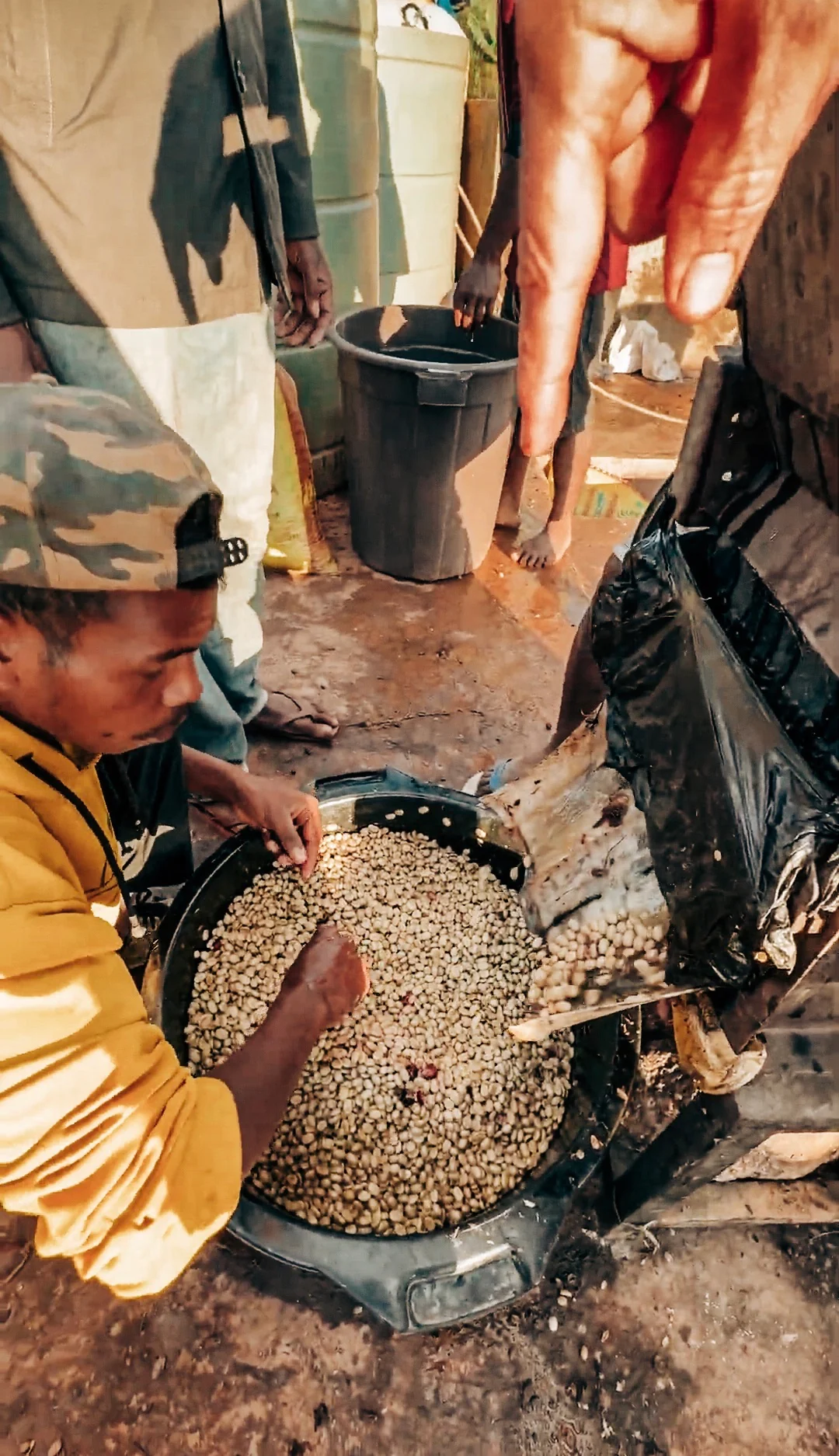
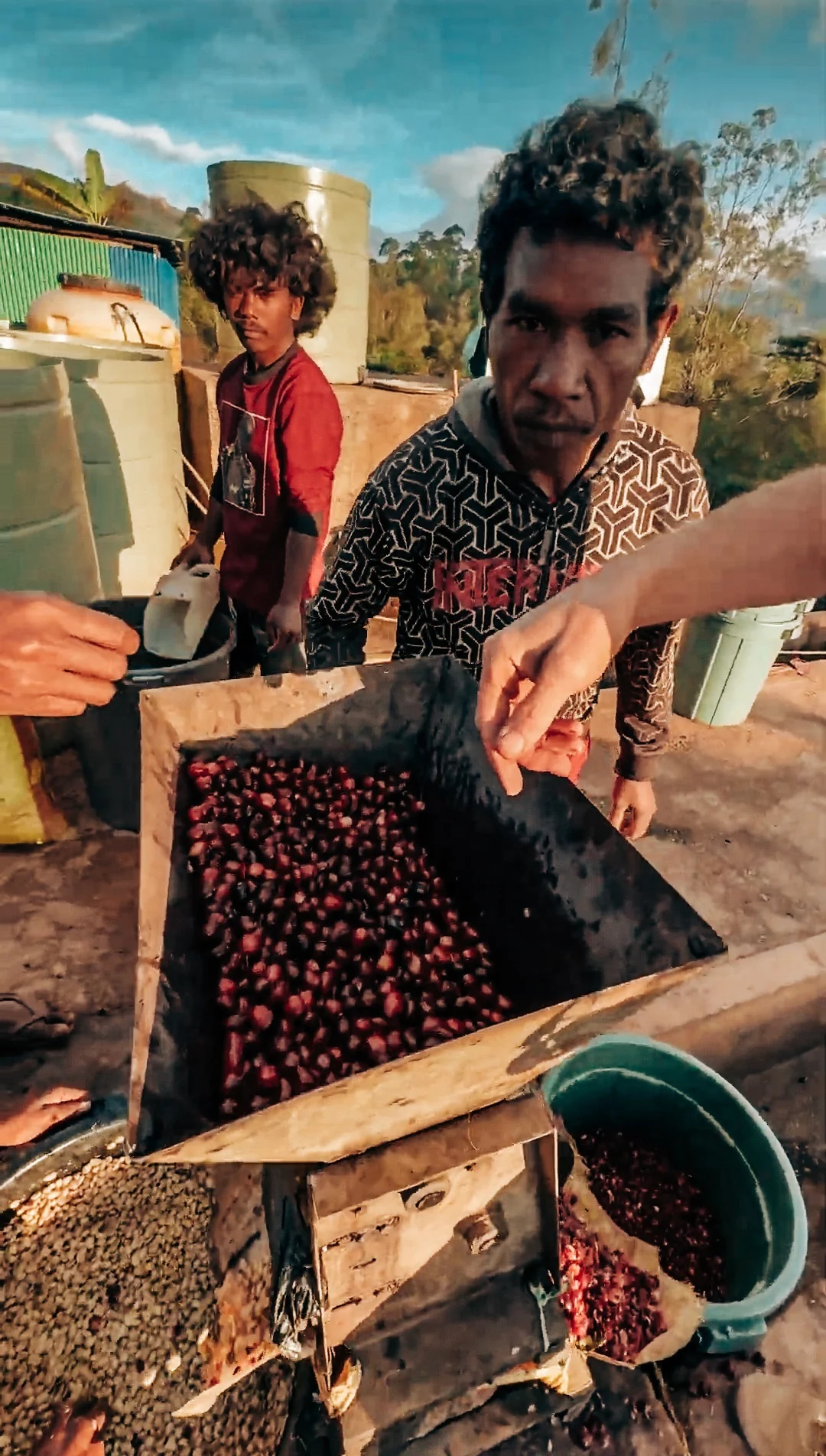
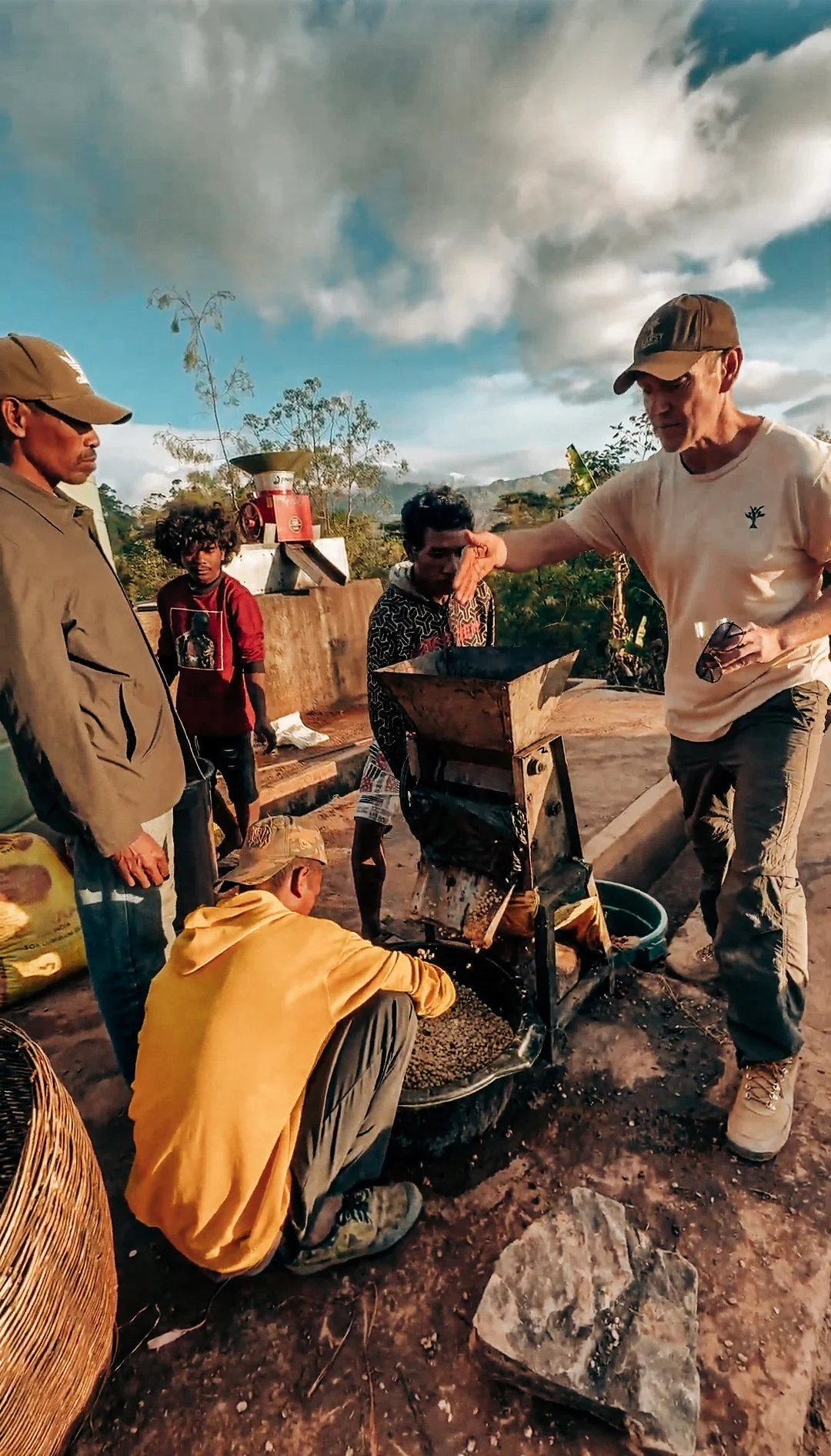
Produced by the Eratoi Cooperative in the high-altitude forests of Letefoho, this honey-processed coffee showcases the innovation and dedication of Timor-Leste’s emerging speciality coffee sector. Organically grown under natural shade trees and hand-harvested at peak ripeness, these cherries undergo a meticulous honey process at the centralised facility, where Simao Pedro de Deus and his team ensure exacting quality standards.
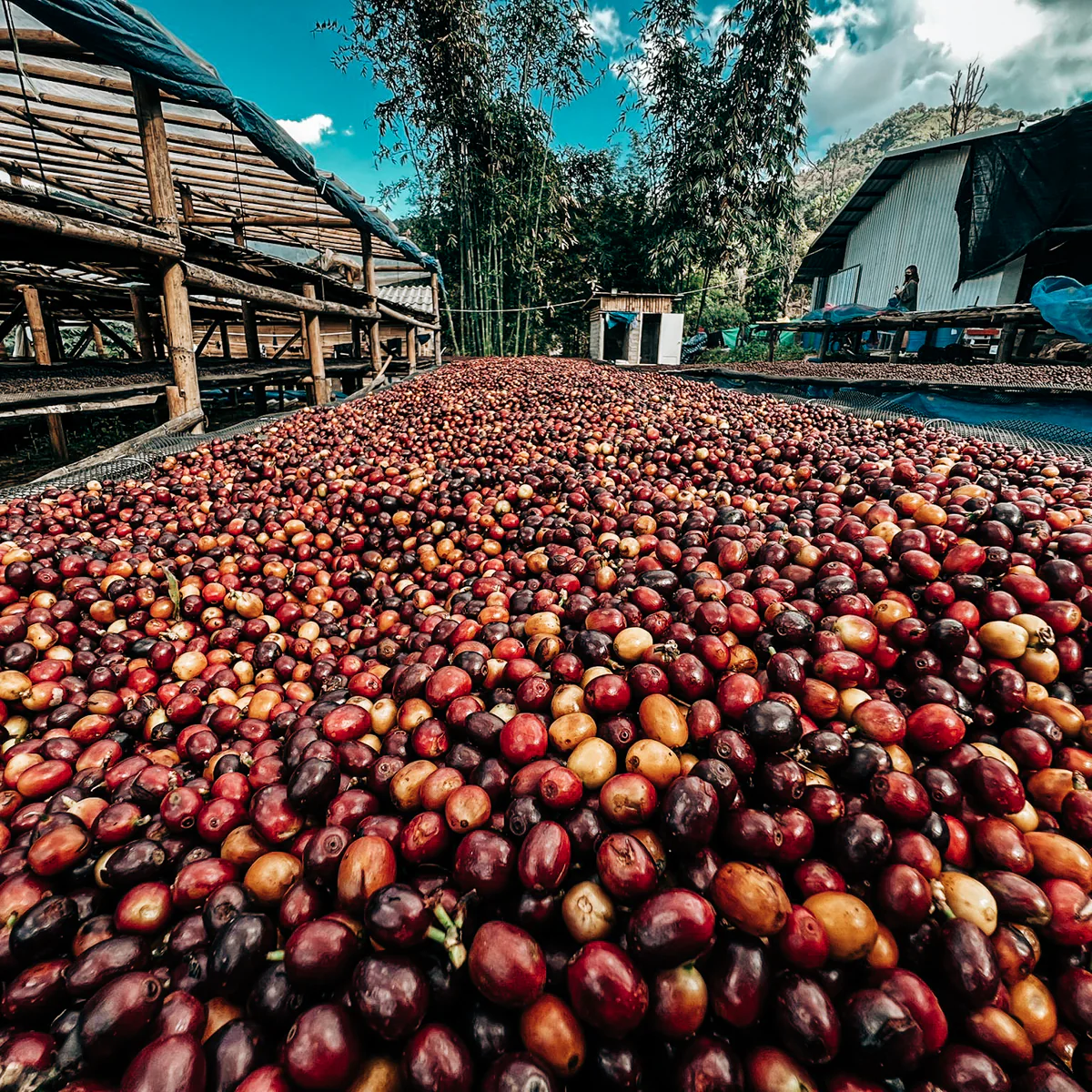
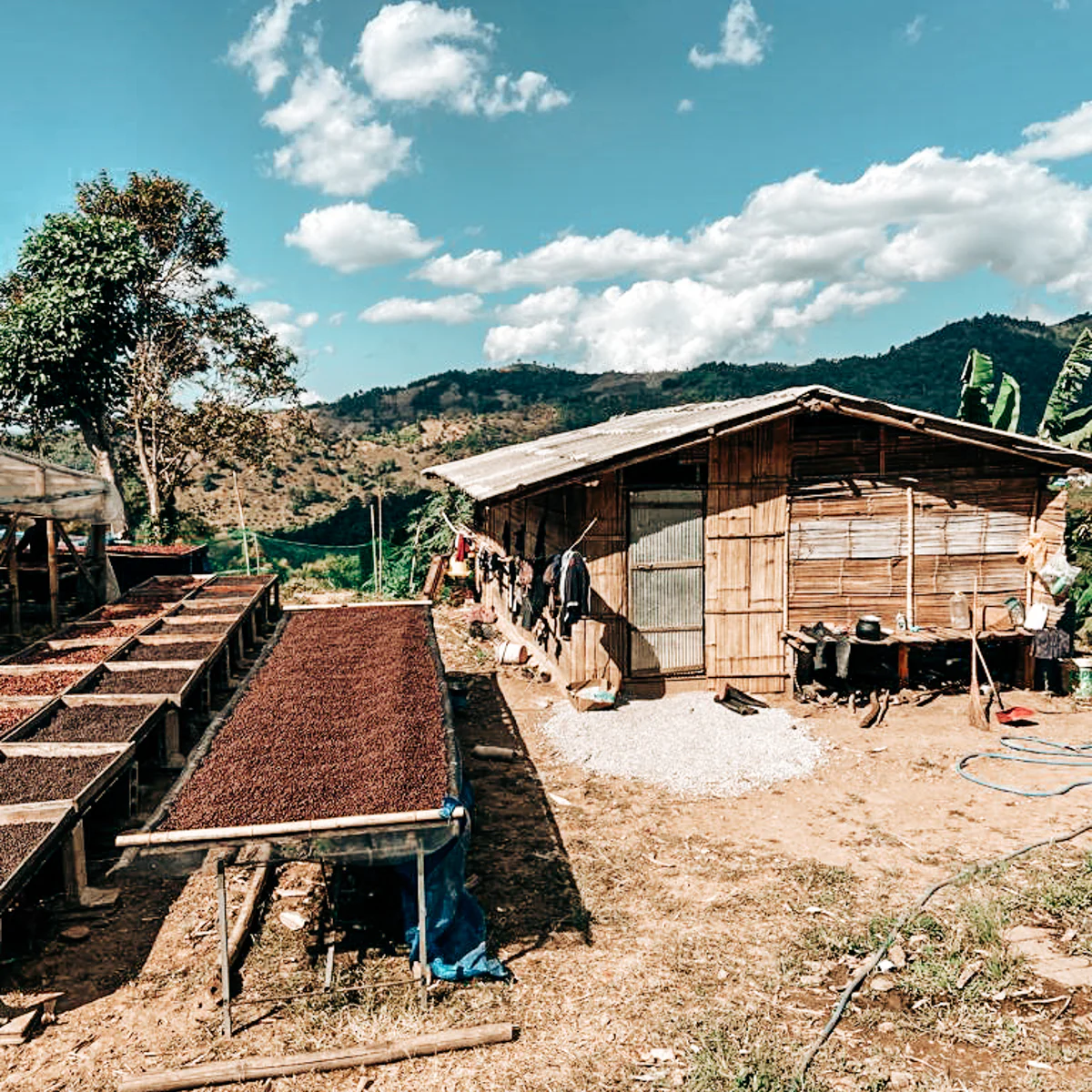
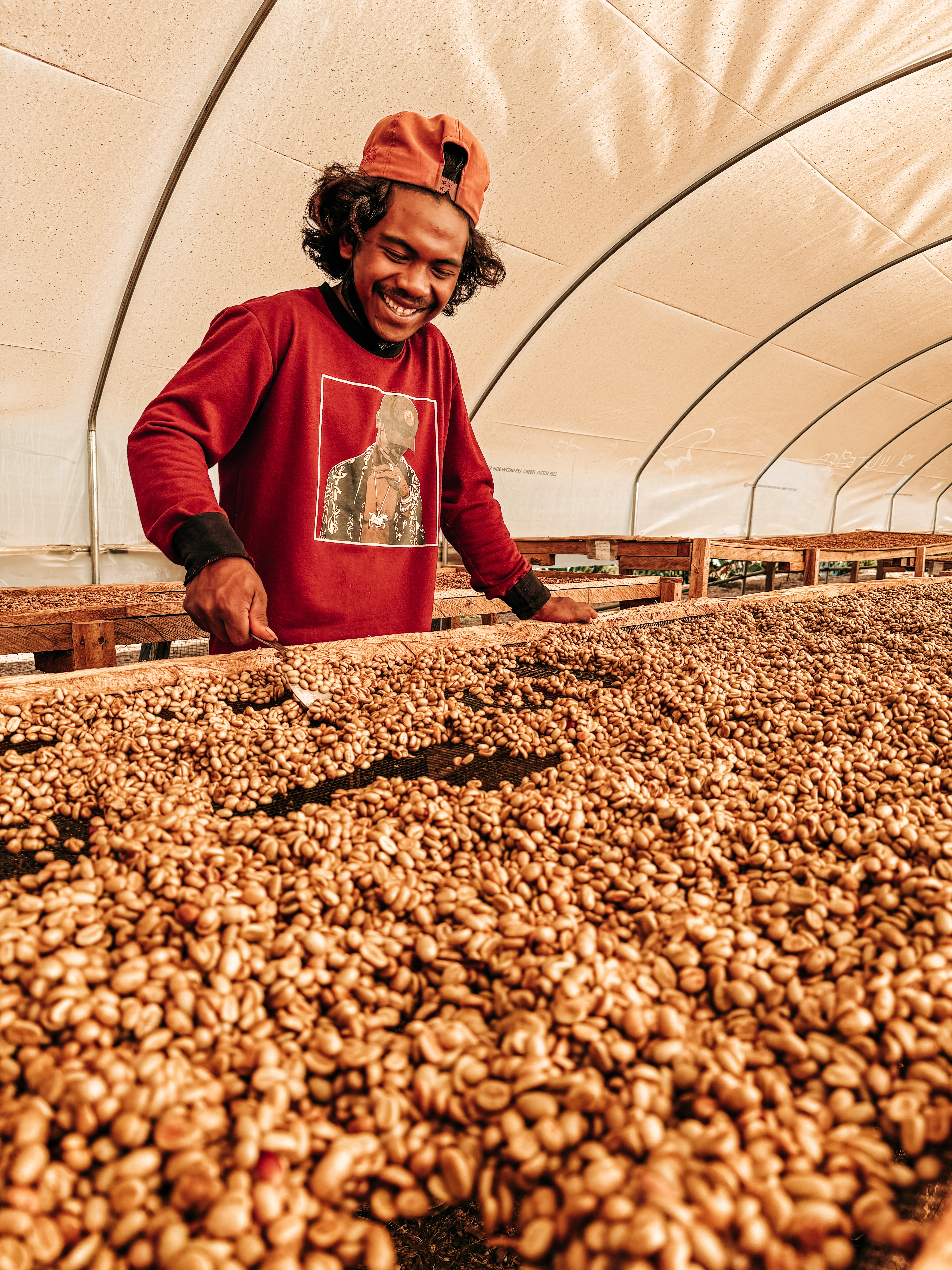
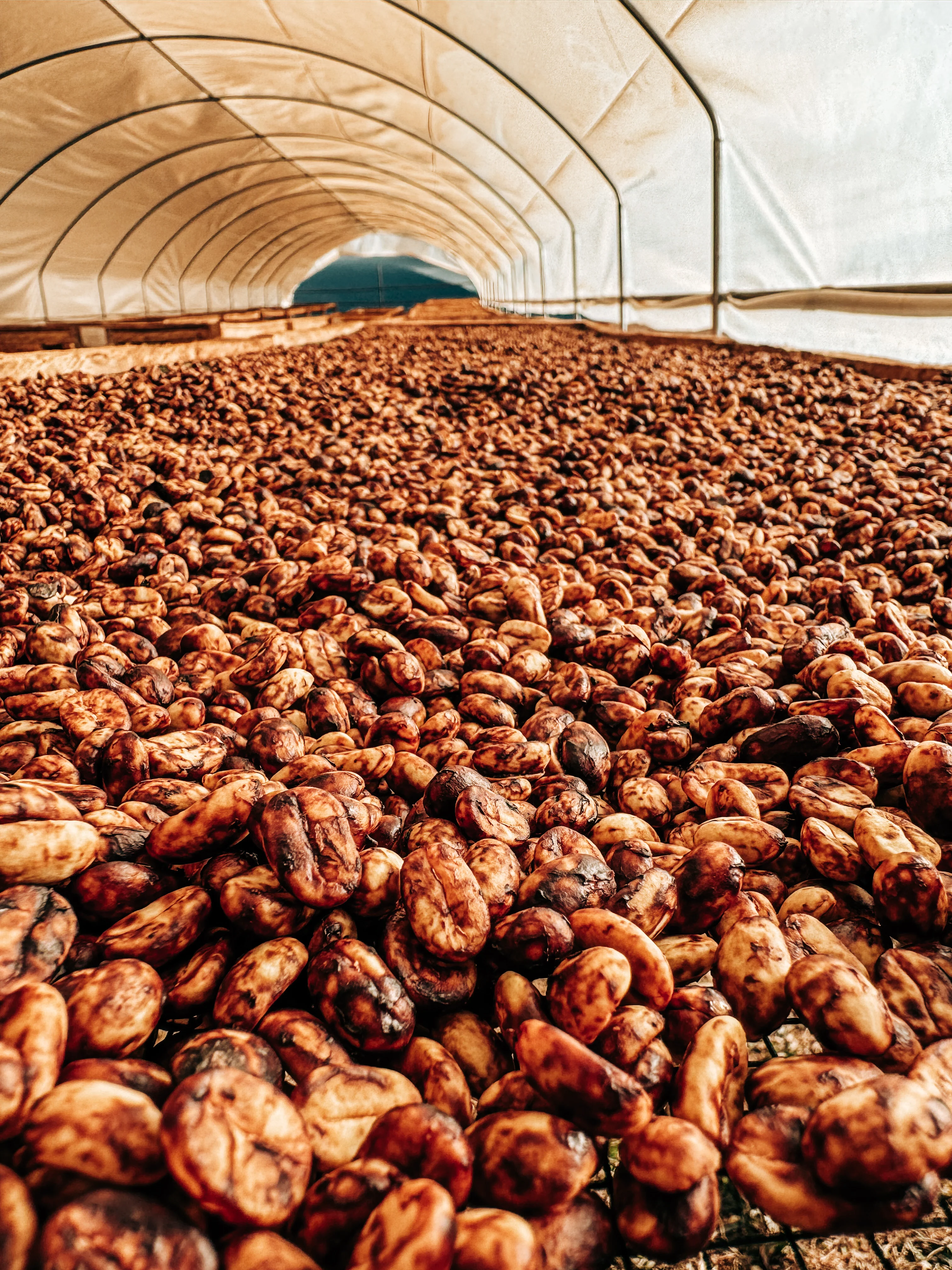
Careful attention is given throughout the drying phase, with the sticky parchment turned regularly to prevent clumping and promote even moisture loss. Over 14–16 days, the coffee develops a flavour profile that balances the clean, crisp character of a fully washed coffee with the rich sweetness of a natural. As the first honey lot from Eratoi, this coffee is an exciting addition to Timor-Leste’s growing reputation as a speciality origin—one that reflects both the skill of its producers and the potential of its land.
Original: $17.23
-70%$17.23
$5.17Product Information
Product Information
Shipping & Returns
Shipping & Returns
Description
Produced by the Eratoi Cooperative in the high-altitude forests of Letefoho, this honey-processed coffee showcases the innovation and dedication of Timor-Leste’s emerging speciality coffee sector. Organically grown under natural shade trees and hand-harvested at peak ripeness, these cherries undergo a meticulous honey process at the centralised facility, where Simao Pedro de Deus and his team ensure exacting quality standards.
Careful attention is given throughout the drying phase, with the sticky parchment turned regularly to prevent clumping and promote even moisture loss. Over 14–16 days, the coffee develops a flavour profile that balances the clean, crisp character of a fully washed coffee with the rich sweetness of a natural. As the first honey lot from Eratoi, this coffee is an exciting addition to Timor-Leste’s growing reputation as a speciality origin—one that reflects both the skill of its producers and the potential of its land.