Natural Racemosa
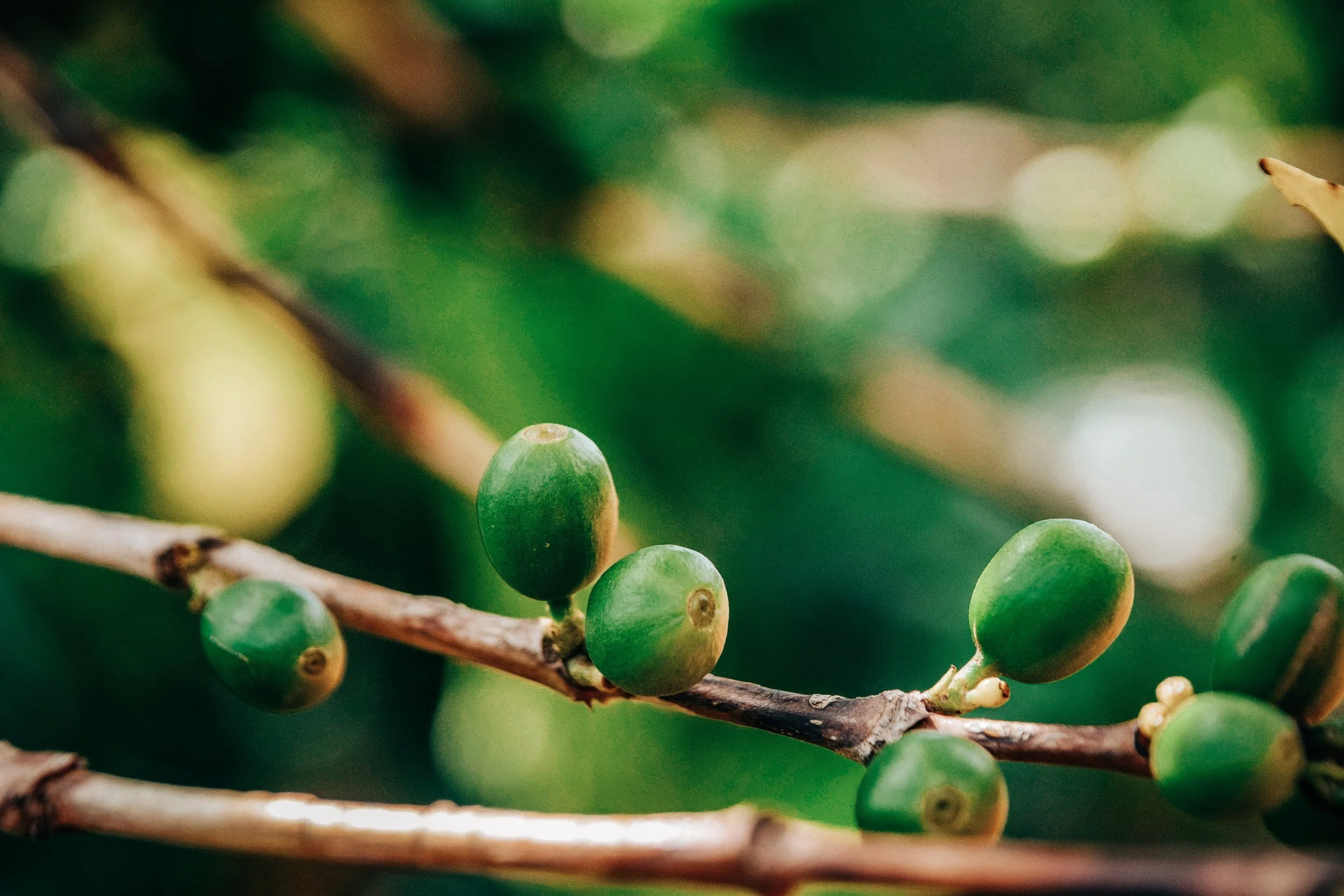
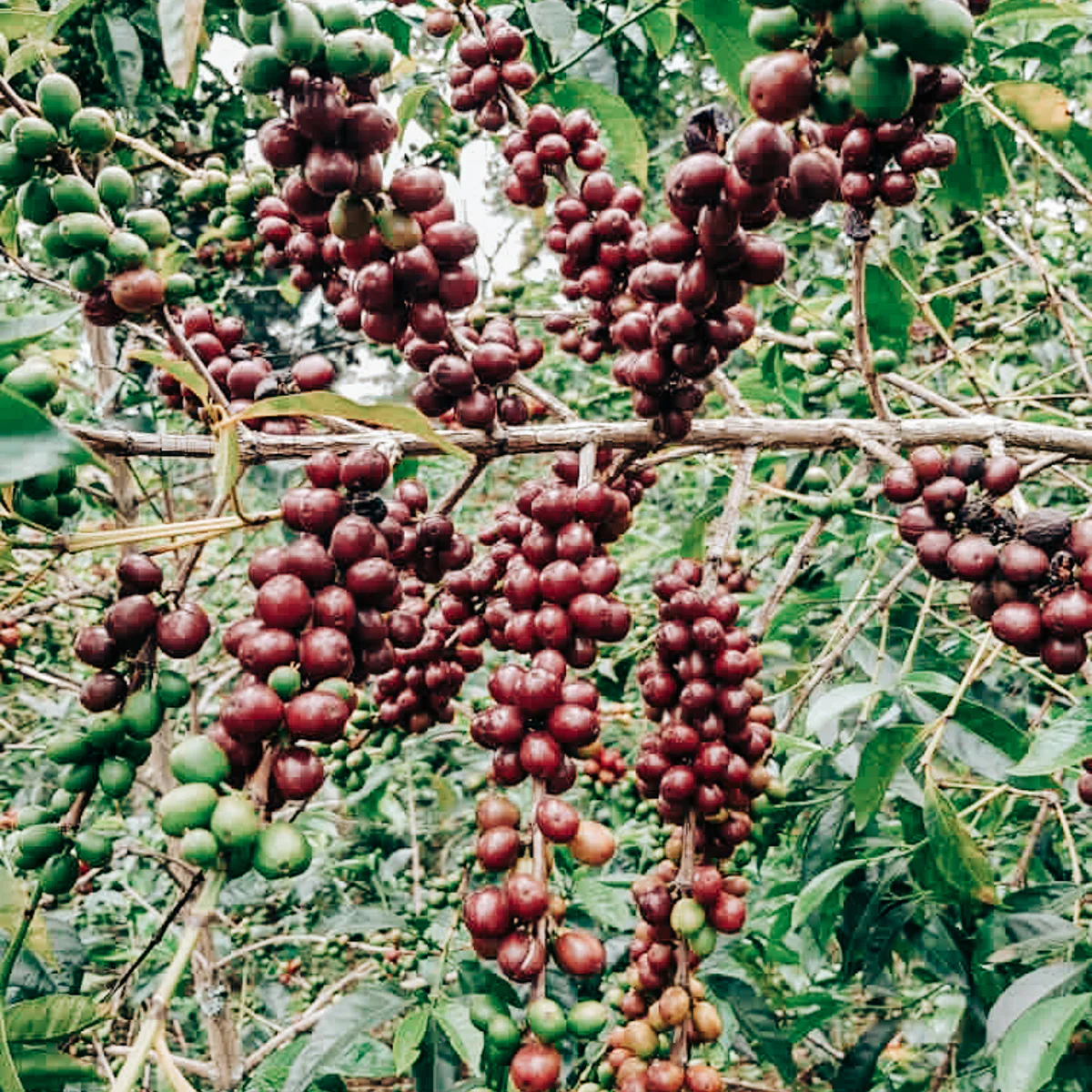
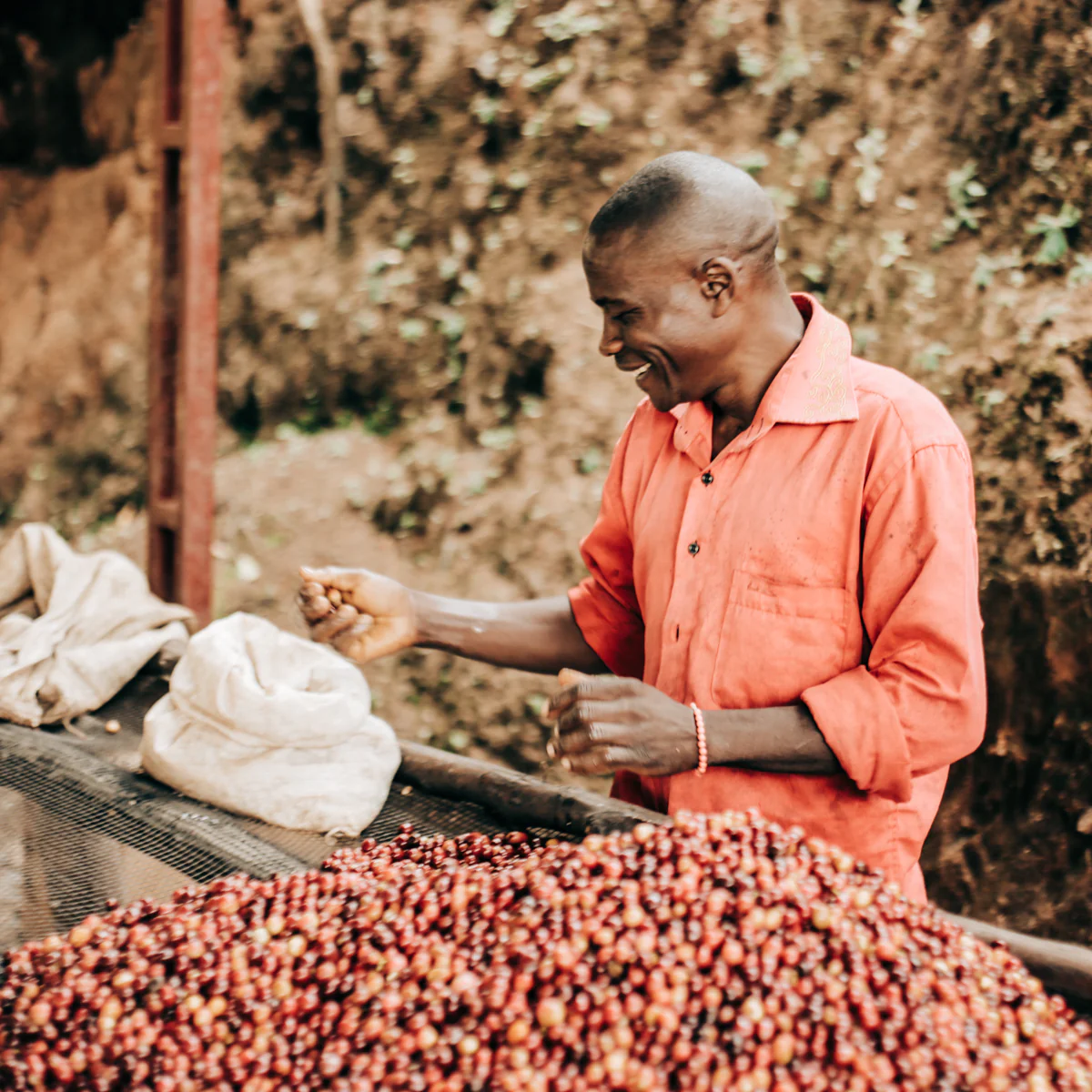
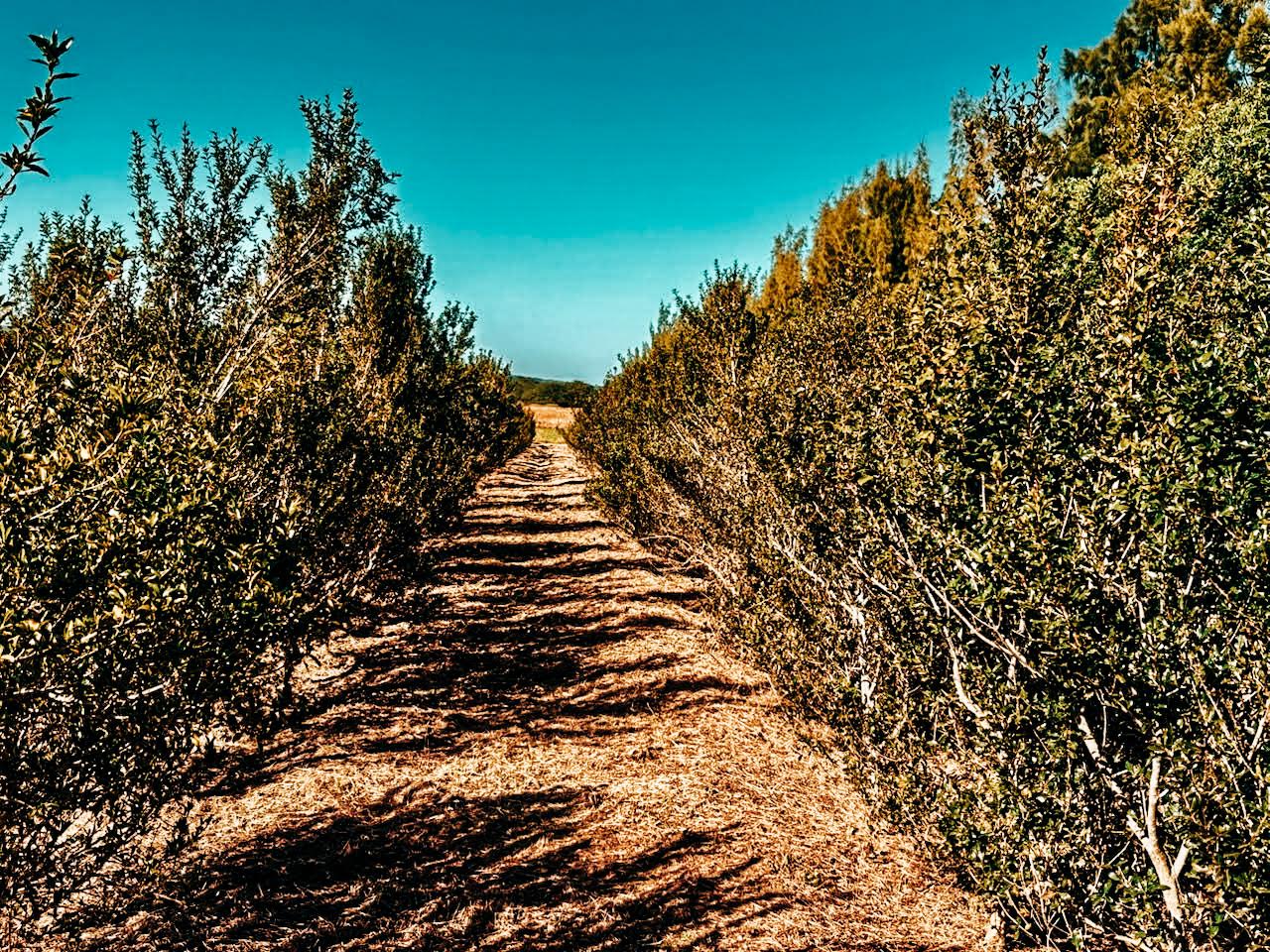
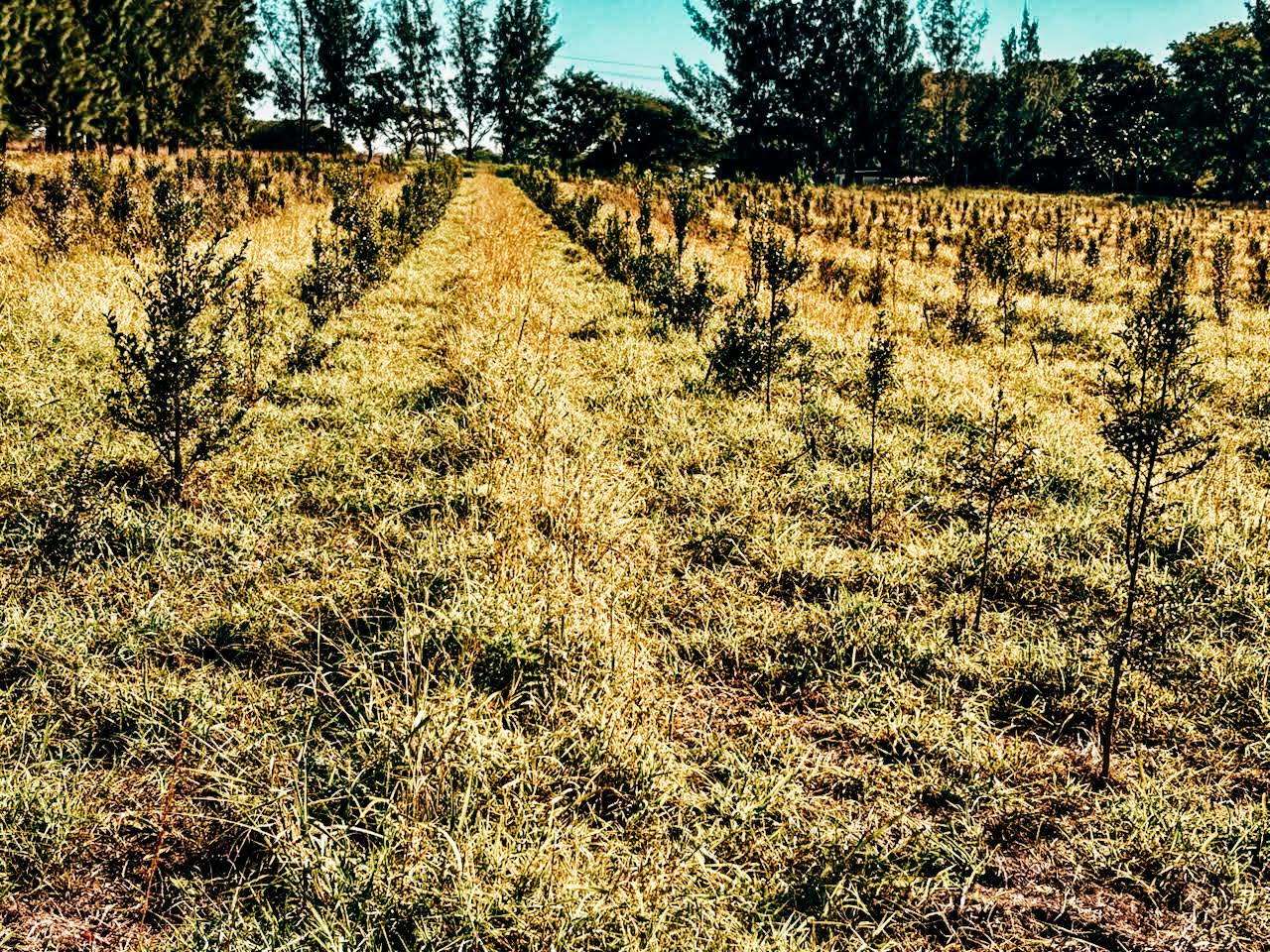
Racemosa is one of the rarest coffees in the world, and a species that could play an important role in the future of coffee. Grown by Charles in South Africa, this year’s lot highlights the species in its purest form through a traditional natural process. Rather than experimenting with novel techniques, Charles has focused on letting Racemosa speak for itself - and as the trees mature, the flavour profile has become cleaner and more expressive.
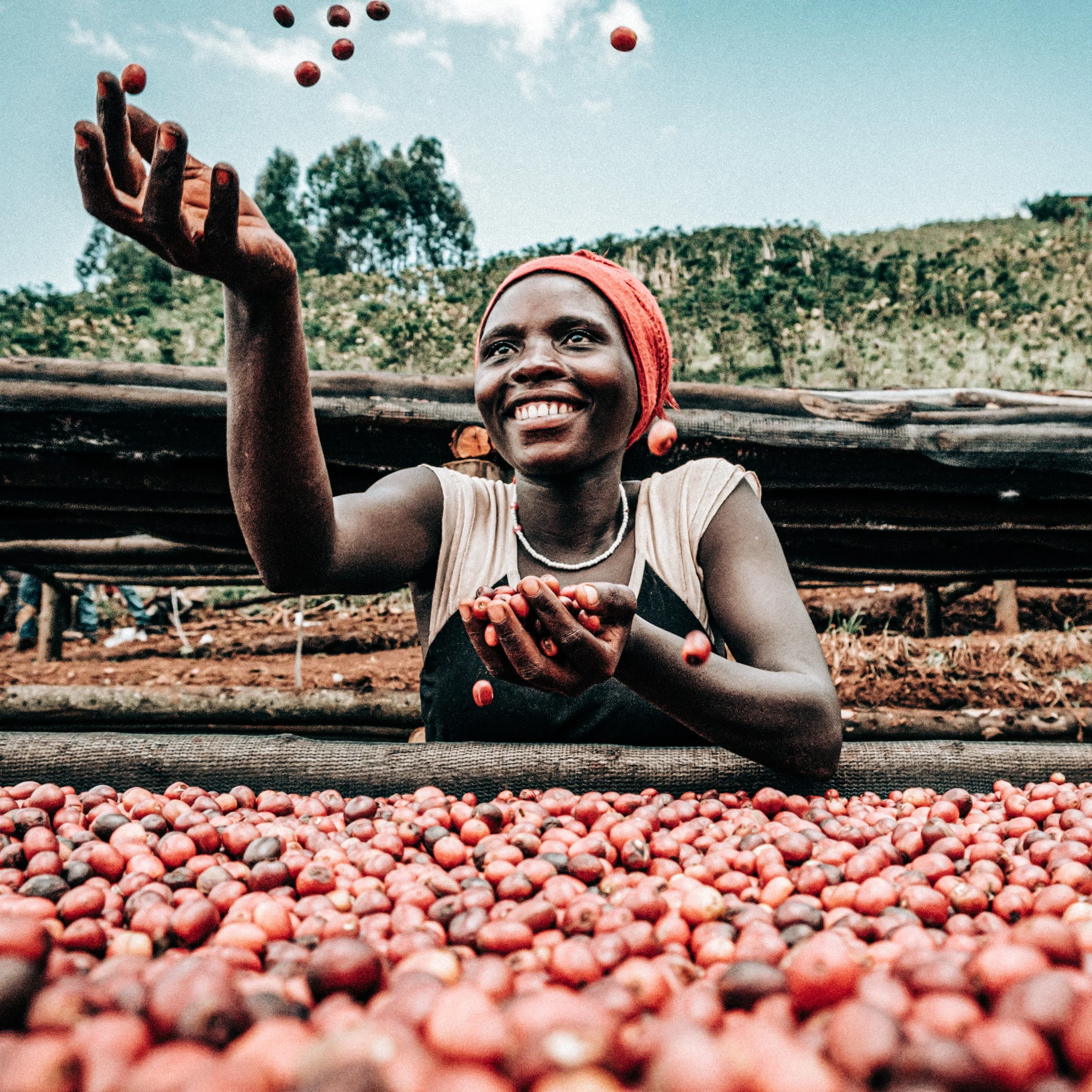
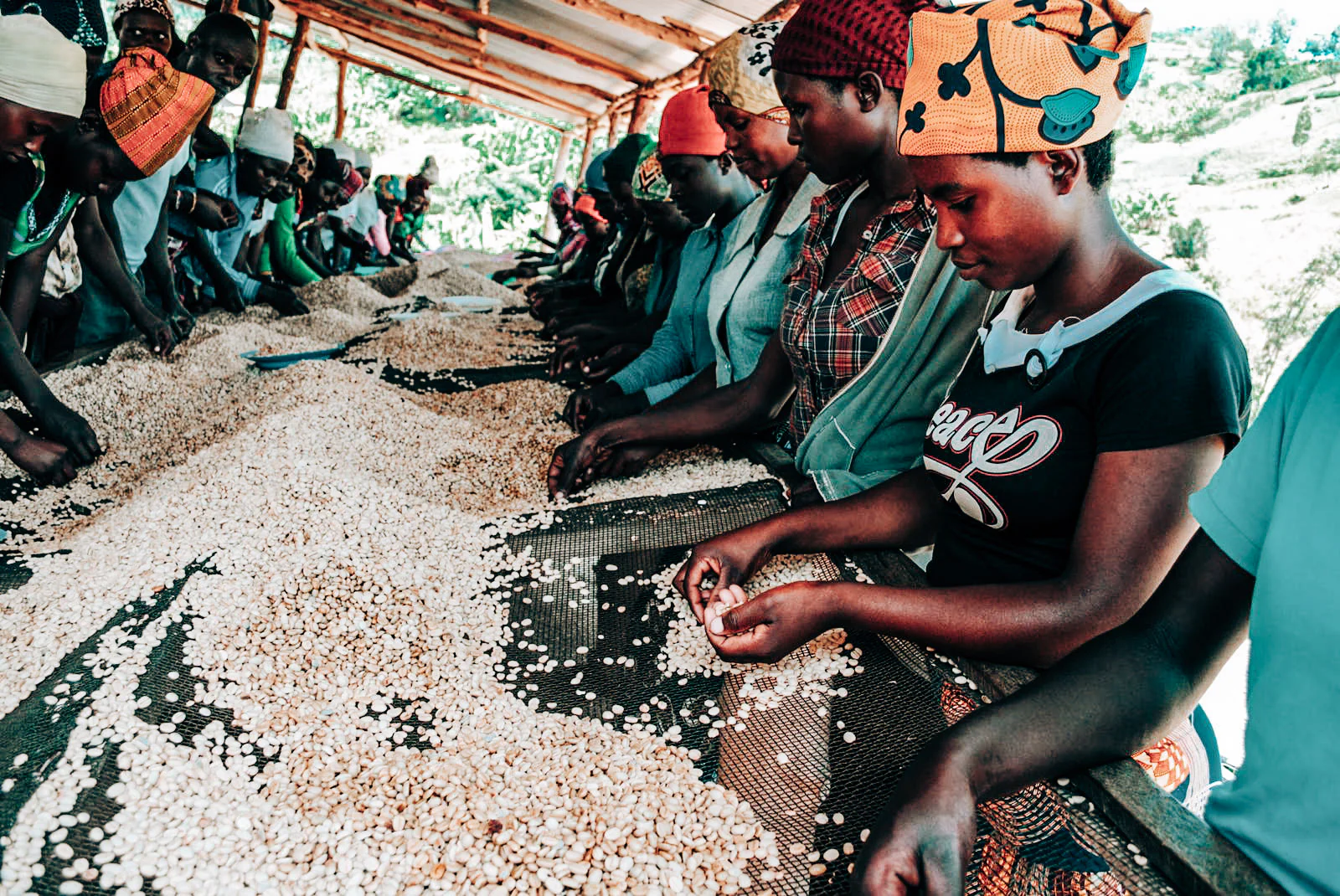
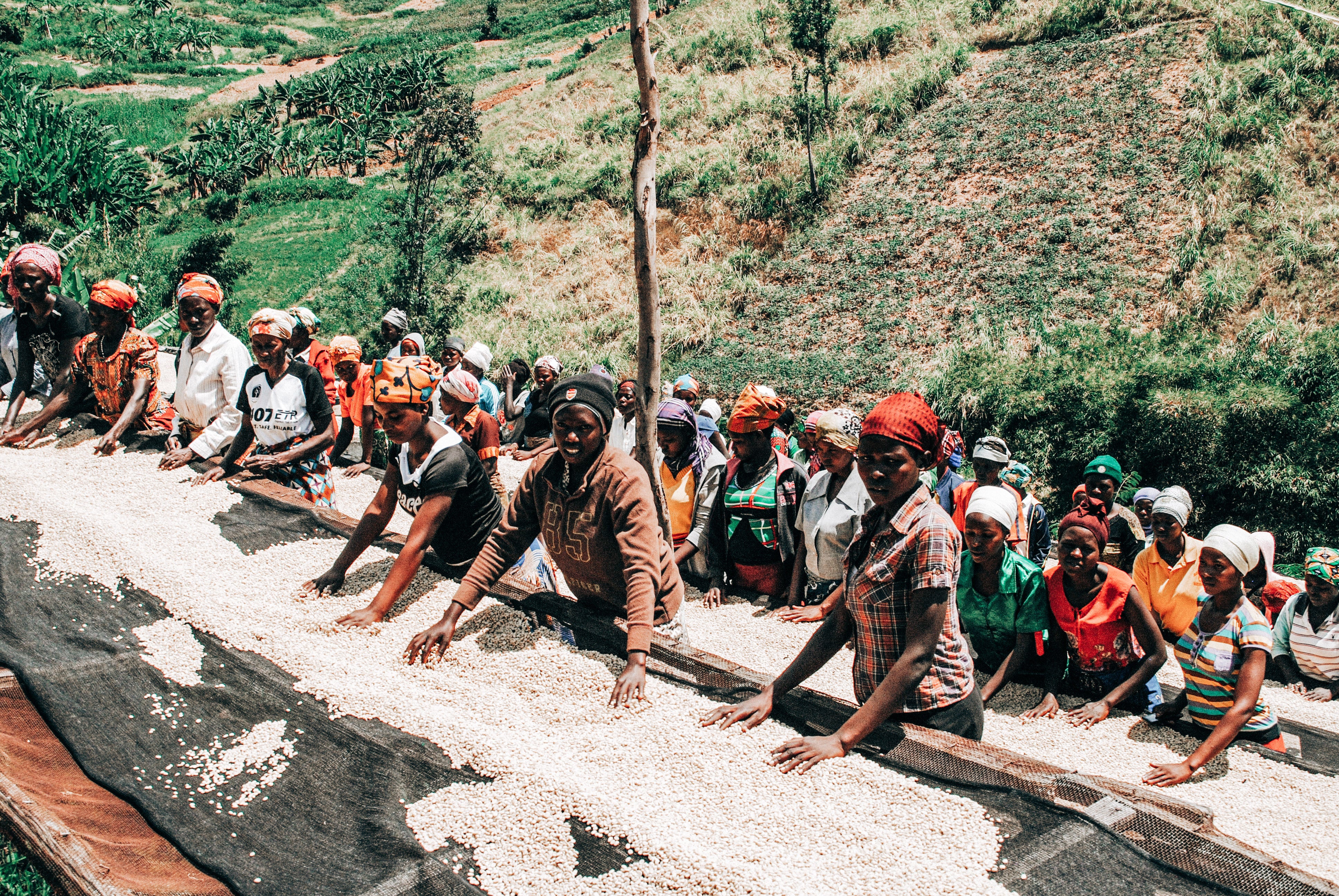
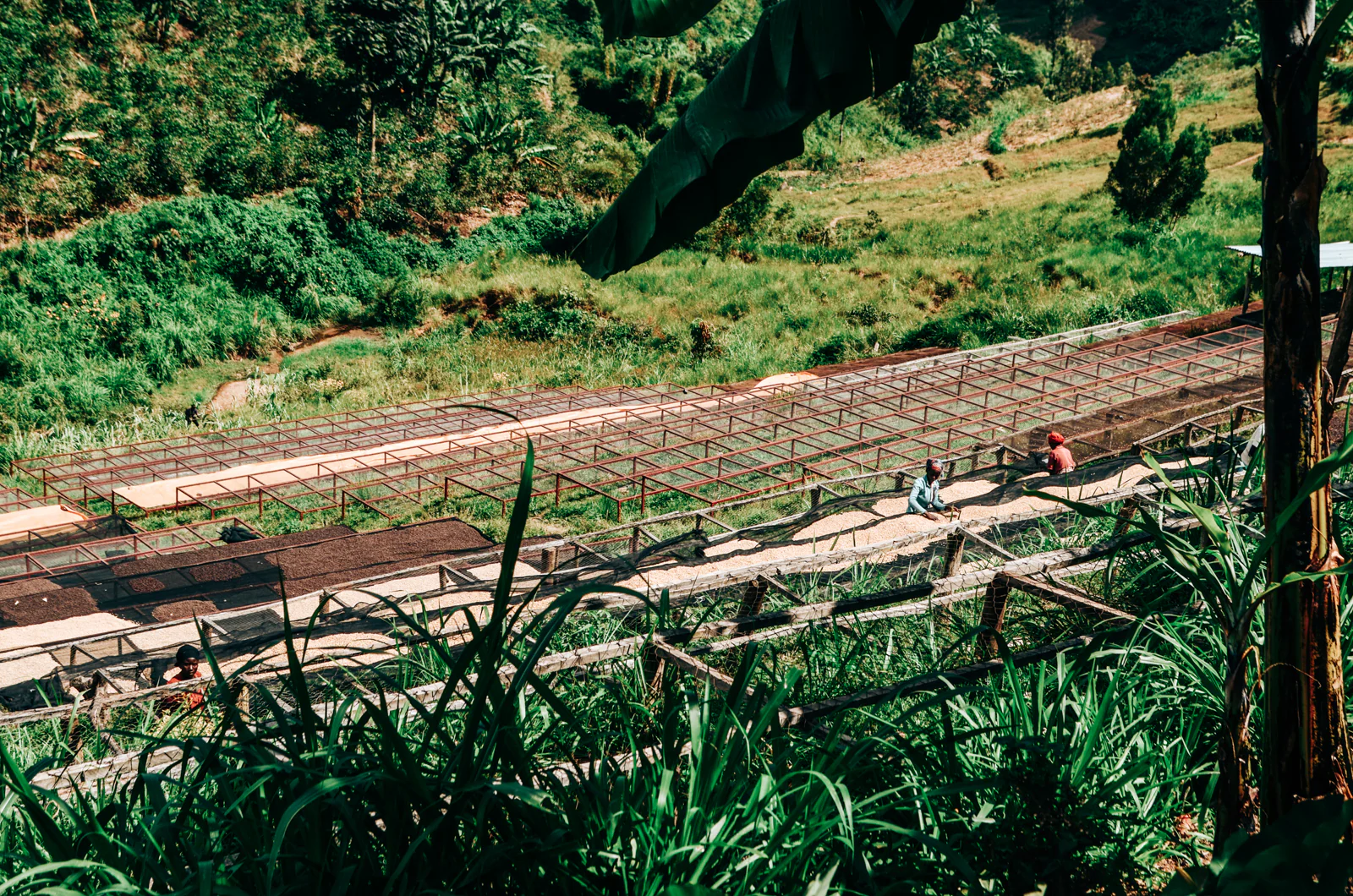
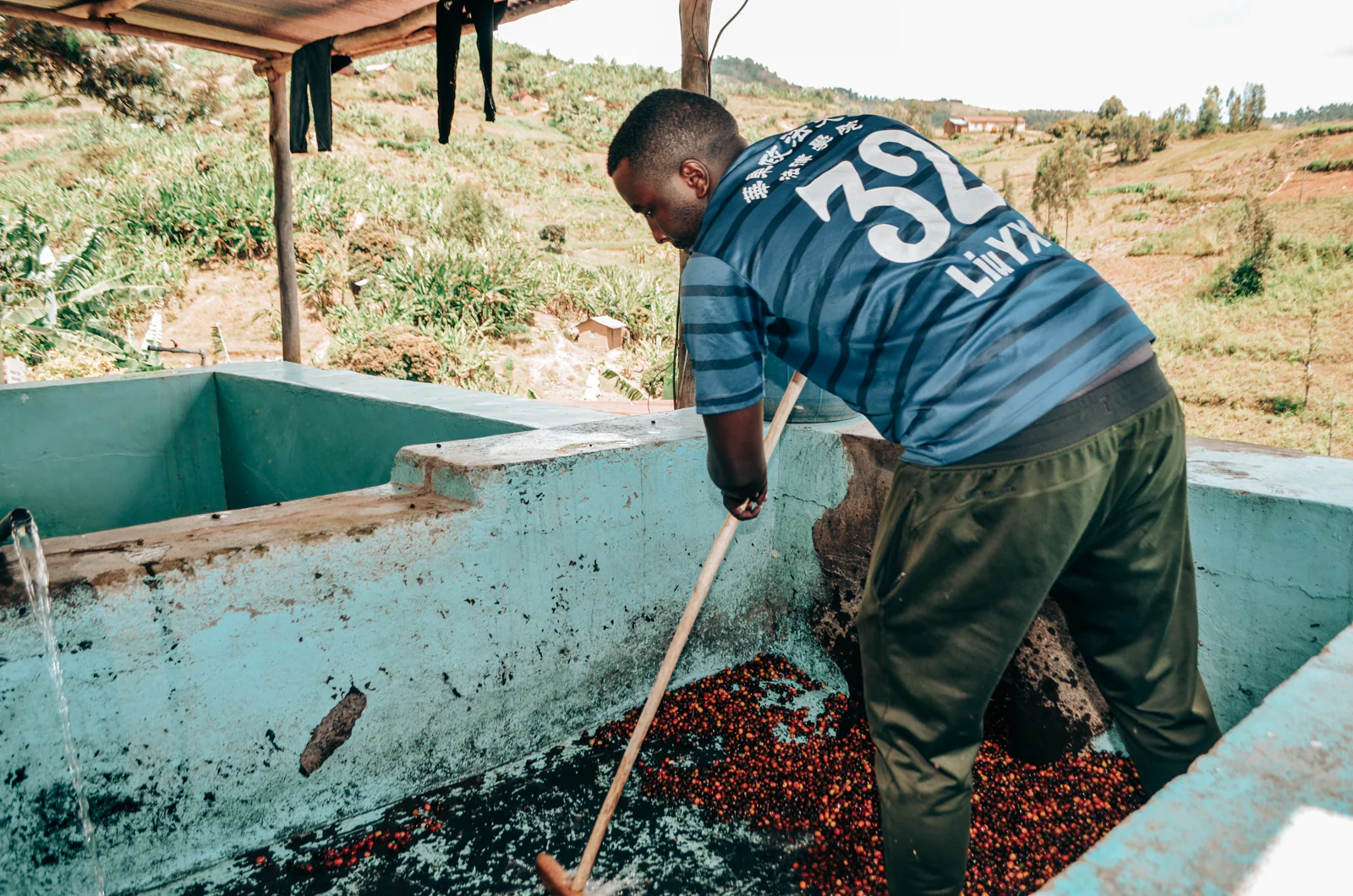
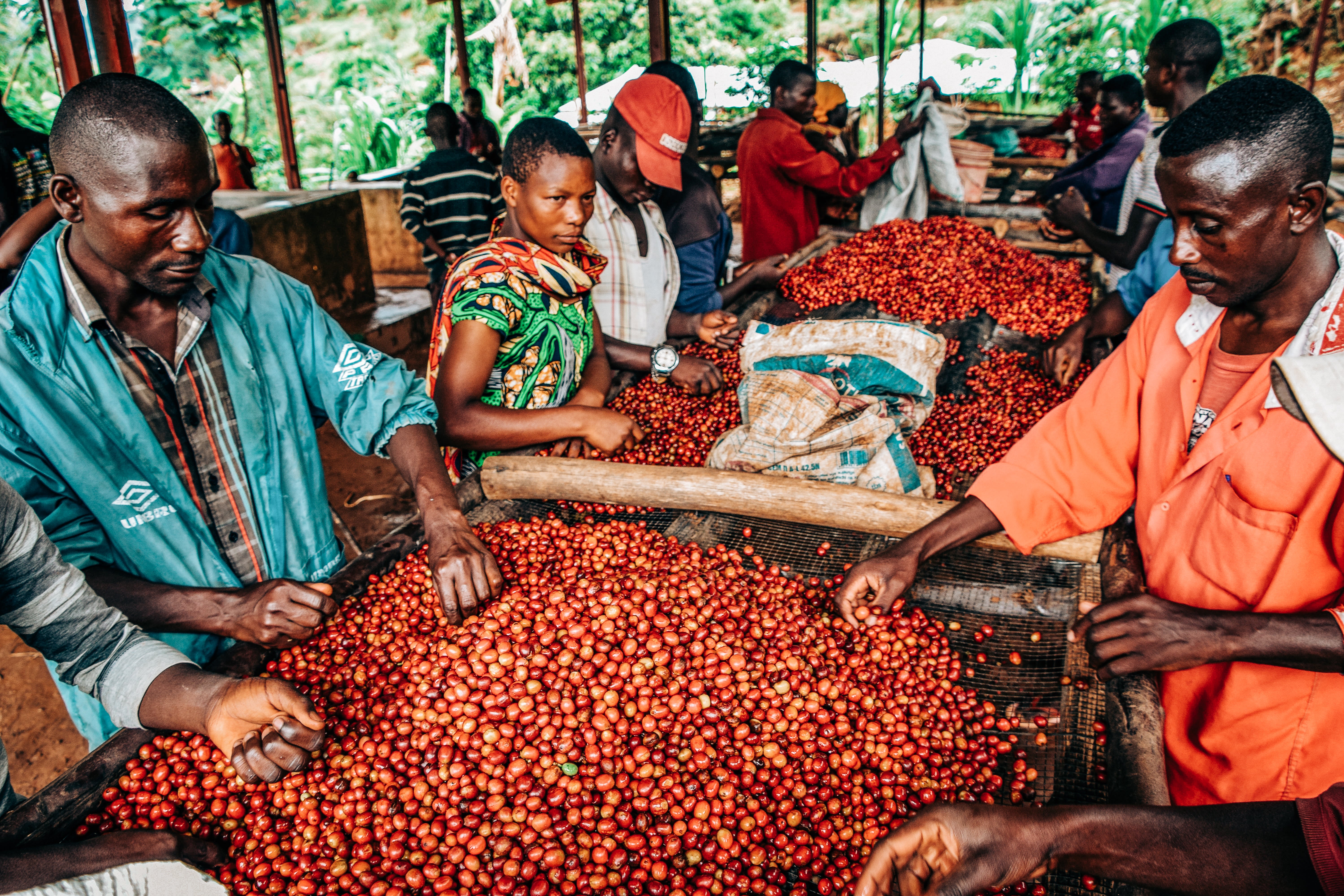
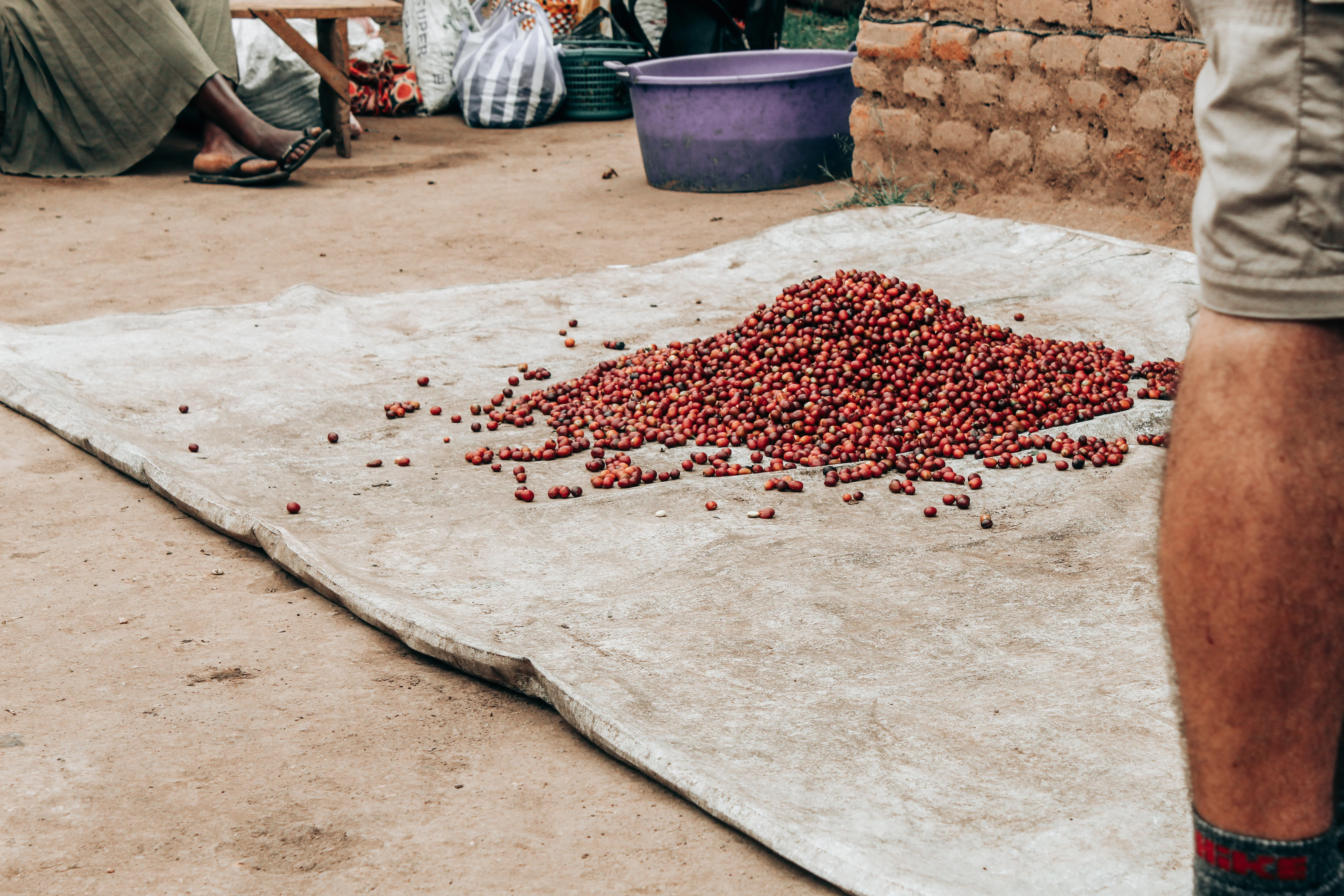
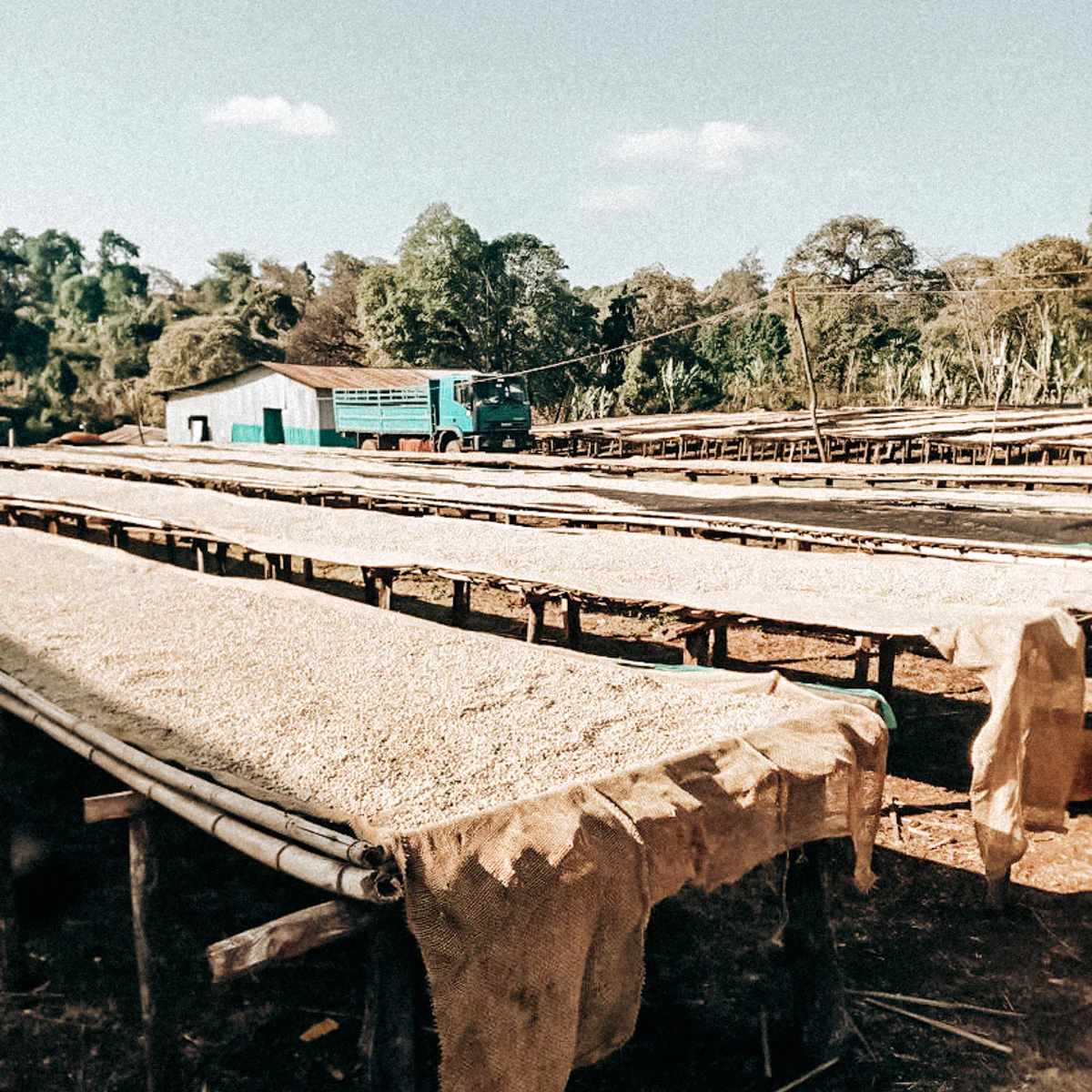
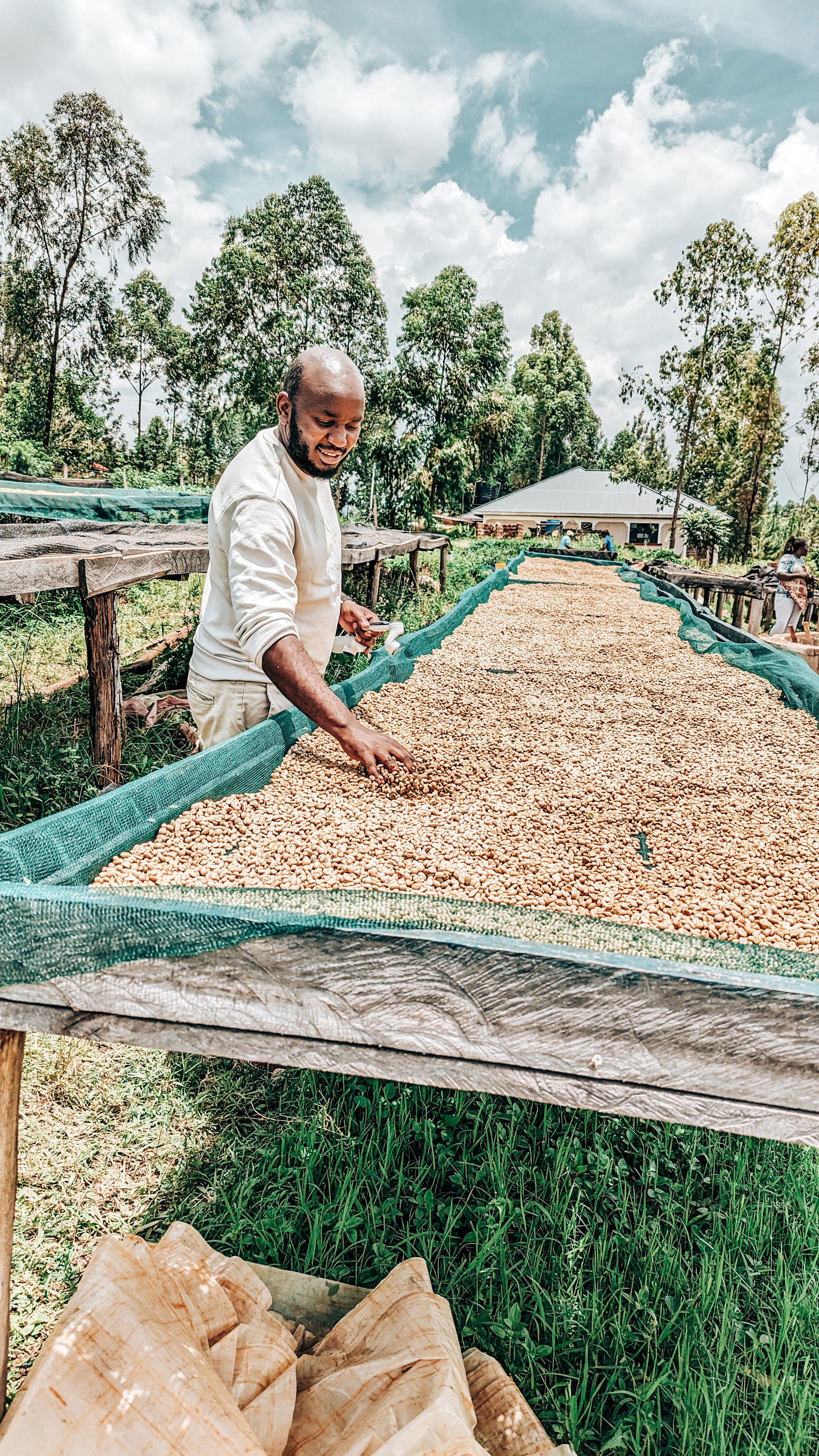
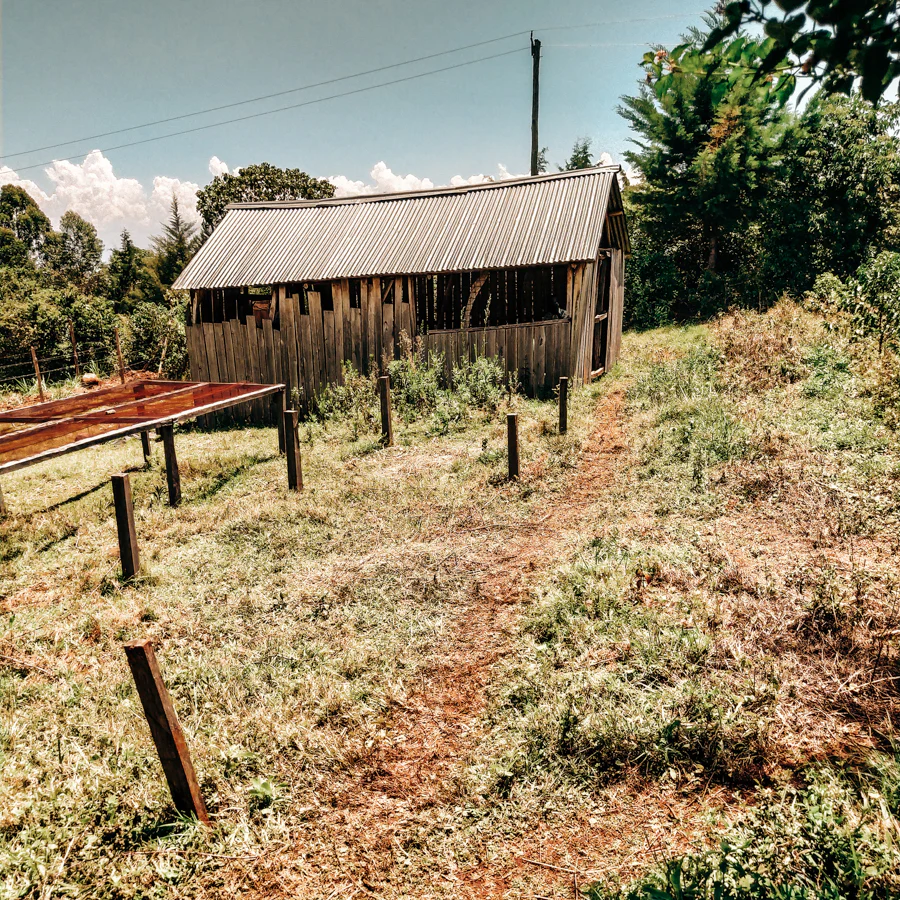
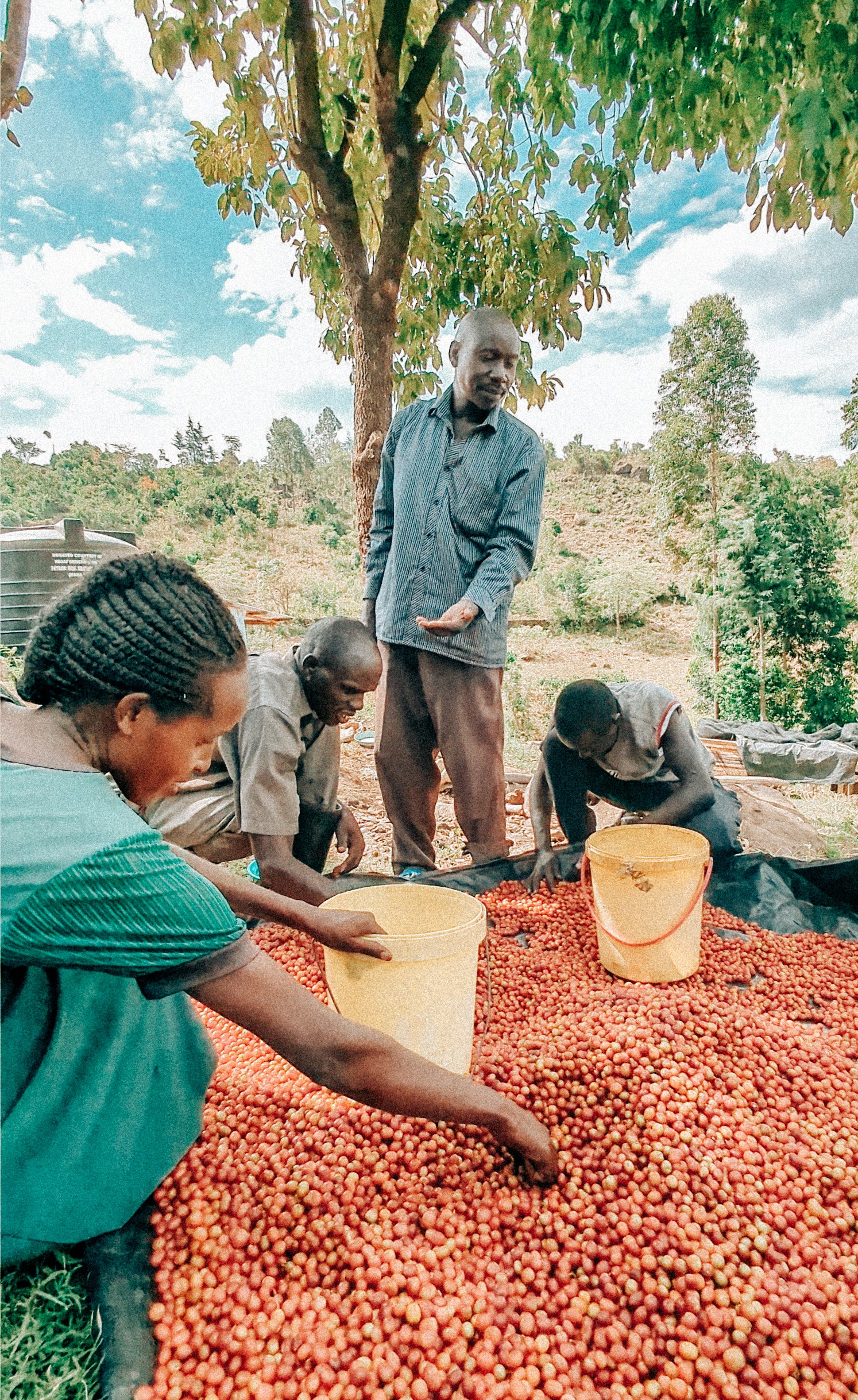
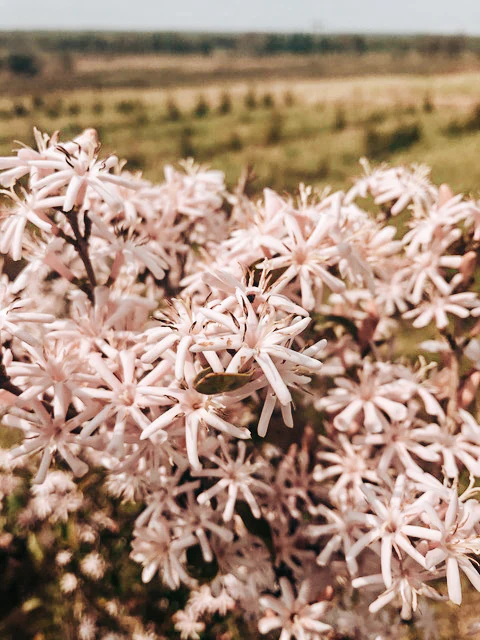
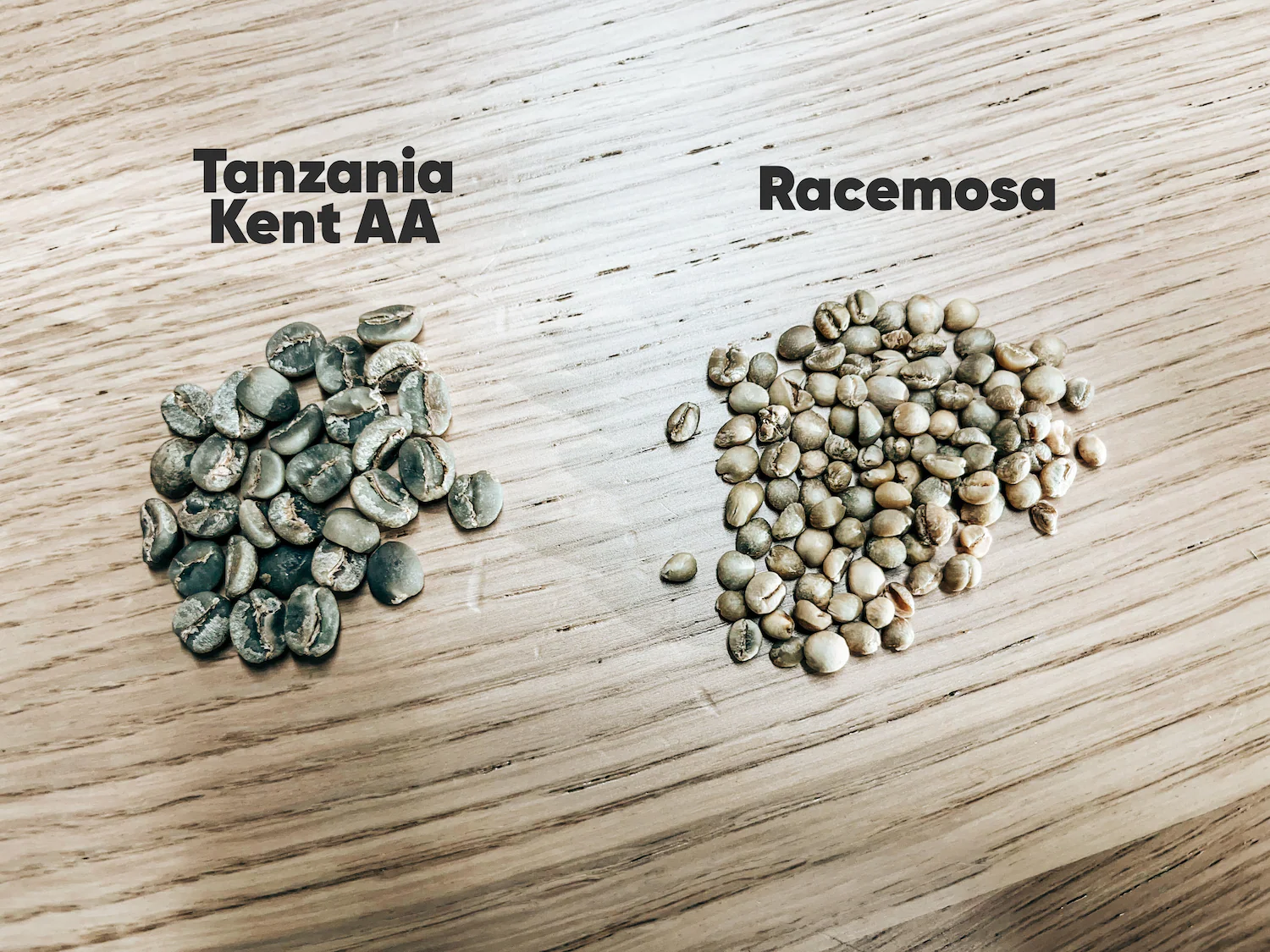
The coffee flowered in September and was harvested through November and December, right in the middle of the rainy season. To manage the challenging conditions, Charles built drying beds that can be closed against afternoon showers. Once dried, the coffee was carefully hulled and sorted, a painstaking task given the small size of the fruit and parchment. These extra steps have produced a lot with slightly larger seeds and greater clarity in the cup.
In the cup, Racemosa remains distinctive. Expect a heavy body with layers of passion fruit, peach, and sugarcane sweetness, alongside fresh notes of basil, mint, and cedar. It is unlike Arabica or Robusta, and can divide opinion - some tasters have scored it in the mid-90s, while others struggle with its difference. As Dr Aaron Davis of Kew Gardens notes, “I’m now of the opinion that C. racemosa is amongst the finest of coffees. It can be complex, sweet, flavoursome, and oddly comforting. Racemosa needs careful consideration, rather than a rushed cupping.”
We don’t offer Racemosa to chase margins. Every bag sold helps support Charles’ pioneering work in South Africa to explore climate-resilient species that could one day secure the future of coffee.
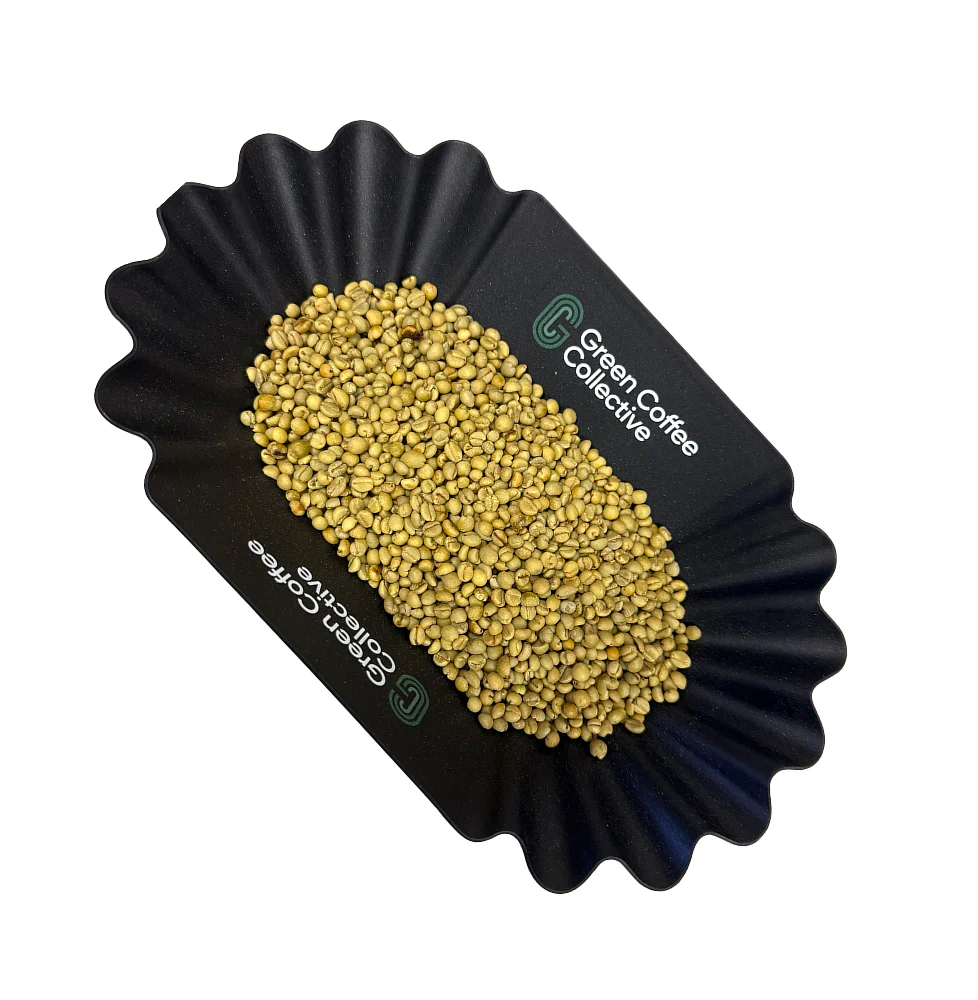
Important note: Racemosa may not roast well in machines with perforated drums due to the small bean size. Please check your setup before ordering.
Community feedback request: If you roast this coffee, we’d love you to share your findings. Every bit of feedback goes back to the producer and helps push this unique species forward.
Original: $81.48
-70%$81.48
$24.44Product Information
Product Information
Shipping & Returns
Shipping & Returns
Description
Racemosa is one of the rarest coffees in the world, and a species that could play an important role in the future of coffee. Grown by Charles in South Africa, this year’s lot highlights the species in its purest form through a traditional natural process. Rather than experimenting with novel techniques, Charles has focused on letting Racemosa speak for itself - and as the trees mature, the flavour profile has become cleaner and more expressive.
The coffee flowered in September and was harvested through November and December, right in the middle of the rainy season. To manage the challenging conditions, Charles built drying beds that can be closed against afternoon showers. Once dried, the coffee was carefully hulled and sorted, a painstaking task given the small size of the fruit and parchment. These extra steps have produced a lot with slightly larger seeds and greater clarity in the cup.
In the cup, Racemosa remains distinctive. Expect a heavy body with layers of passion fruit, peach, and sugarcane sweetness, alongside fresh notes of basil, mint, and cedar. It is unlike Arabica or Robusta, and can divide opinion - some tasters have scored it in the mid-90s, while others struggle with its difference. As Dr Aaron Davis of Kew Gardens notes, “I’m now of the opinion that C. racemosa is amongst the finest of coffees. It can be complex, sweet, flavoursome, and oddly comforting. Racemosa needs careful consideration, rather than a rushed cupping.”
We don’t offer Racemosa to chase margins. Every bag sold helps support Charles’ pioneering work in South Africa to explore climate-resilient species that could one day secure the future of coffee.
Important note: Racemosa may not roast well in machines with perforated drums due to the small bean size. Please check your setup before ordering.
Community feedback request: If you roast this coffee, we’d love you to share your findings. Every bit of feedback goes back to the producer and helps push this unique species forward.